How Conveyor Drive and Bend Pulleys Differ
- Industry
-
 KDHI
- 15 Apr, 2026
Drive and bend pulleys can look similar in a workshop, but they do different jobs. Understanding that distinction helps a project team specify the correct pulley construction, surface and installation arrangement.
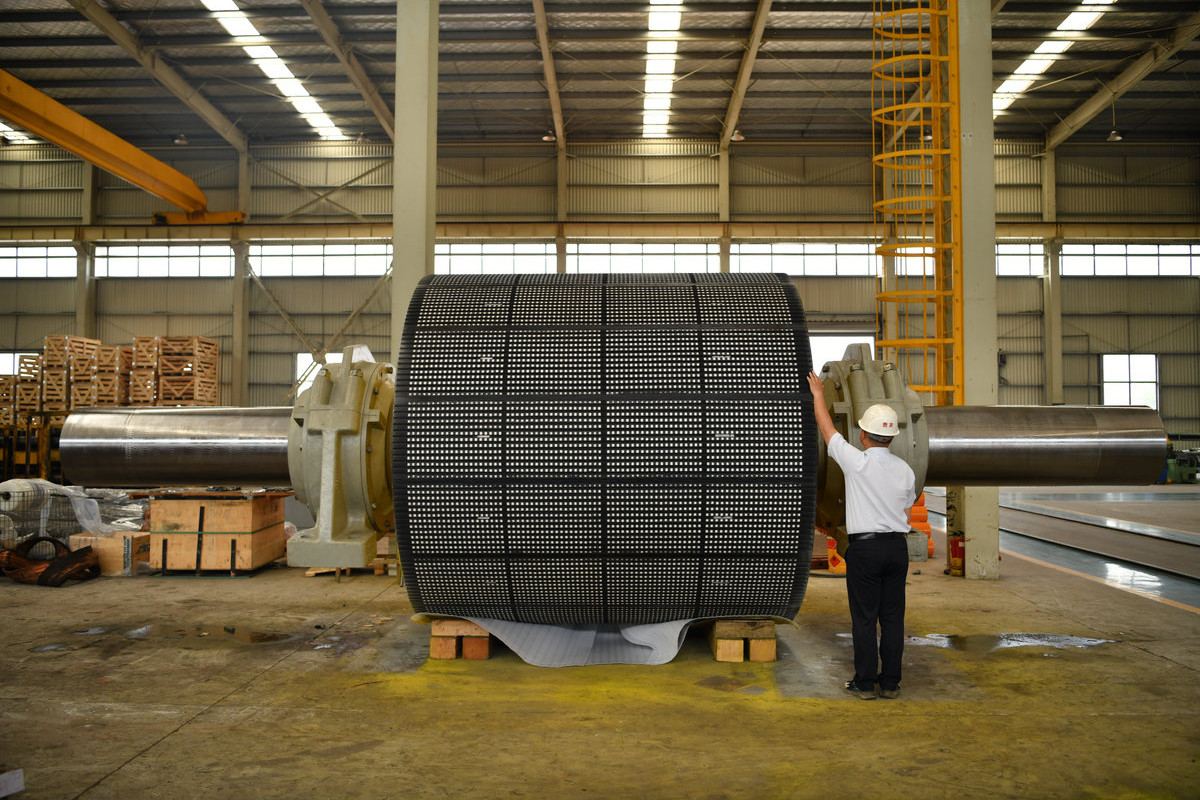
Drive pulleys transfer power to the belt
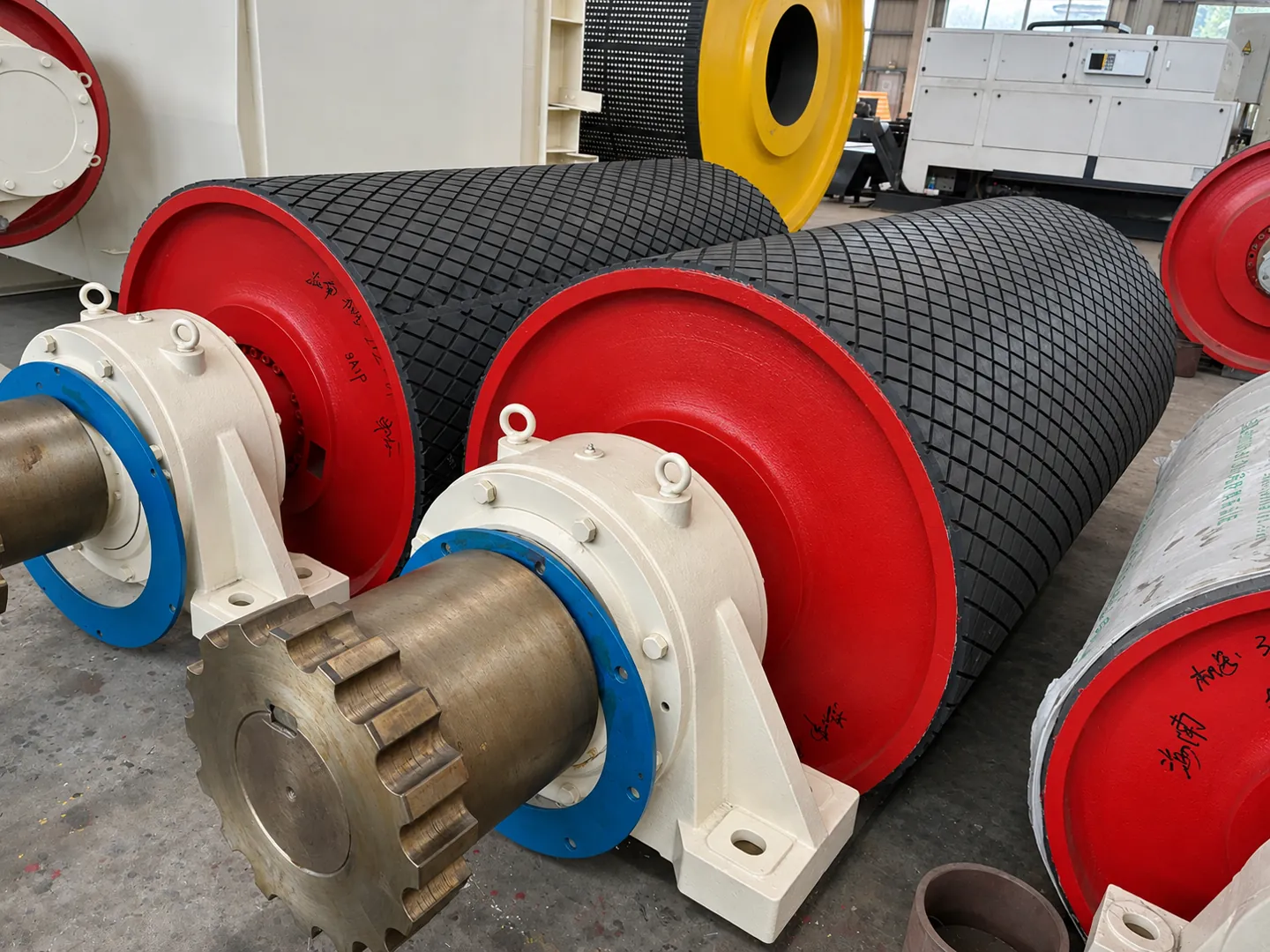
A drive pulley introduces power into the conveyor belt. Its shaft, shell and bearing arrangement must suit the forces associated with the drive and the belt tension. Pulley surface selection includes bare steel as well as diamond- and chevron-pattern lagging.
Choosing a surface starts with the conveyor duty, including traction requirements, moisture and direction of operation. Pulley suitability depends on loading and installation conditions.
Bend pulleys guide the belt route
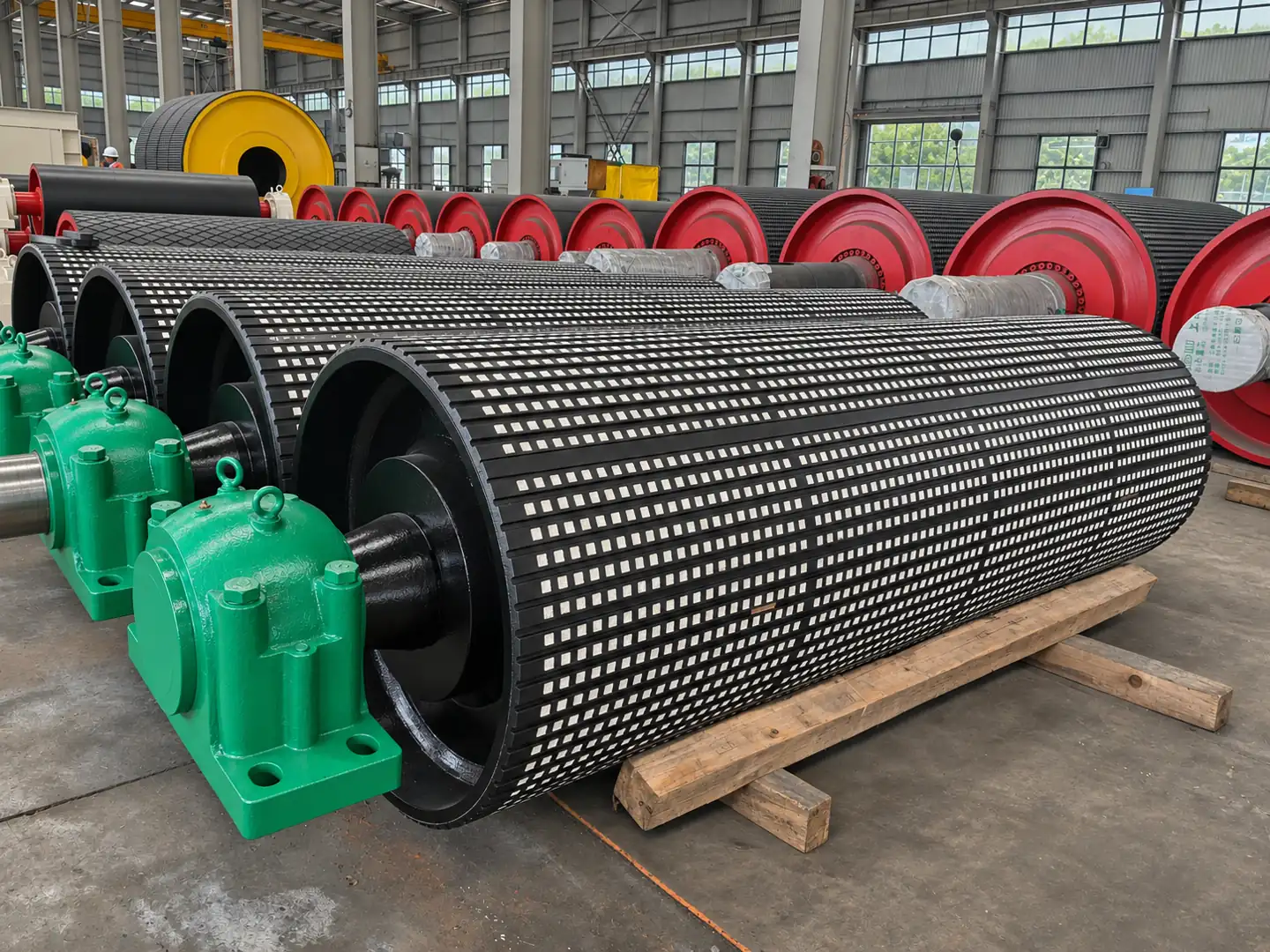
Bend pulleys change belt direction or increase the wrap around the drive pulley. Bend pulleys are used at tail positions, in vertical take-up arrangements and at smaller belt deflections. Bare steel and smooth rubber are among the surface arrangements described for this duty.
A bend pulley is therefore not simply an interchangeable spare for a drive pulley. The belt path, wrap angle, tension and shaft-bearing arrangement determine the specification at each location.
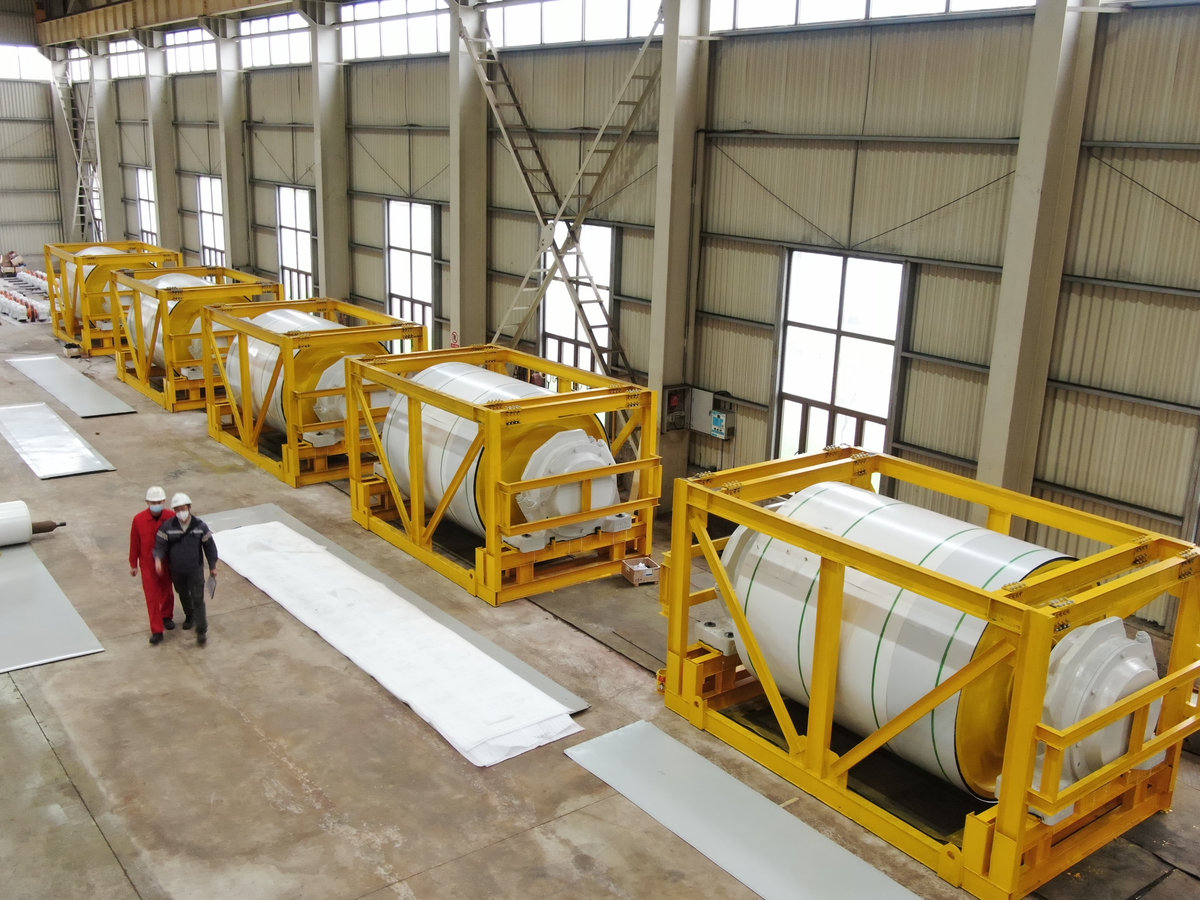
Compare the duty before selecting the component
| Selection point | Drive pulley | Bend pulley |
|---|---|---|
| Main purpose | Transmit power to the belt | Redirect the belt or adjust wrap |
| Review first | Power, traction and belt tensions | Belt path, deflection and belt tensions |
| Surface choice | Selected for traction and service conditions | Selected for belt contact and service conditions |
Prepare a useful enquiry
Provide the conveyor layout, pulley position, belt width, operating speed, belt tensions, drive power where applicable, and the available installation dimensions. For replacement work, include the existing drawing and bearing details. These inputs allow the pulley to be checked as part of the conveyor rather than selected by appearance.
Manufacturing review should also address weld inspection, machining, balancing and any specified stress-relief requirements. The applicable inspection plan should be defined for each order.
Tags:
KDHI
Engineering and manufacturing insights for bulk material conveying.
No prev page
Previous Post