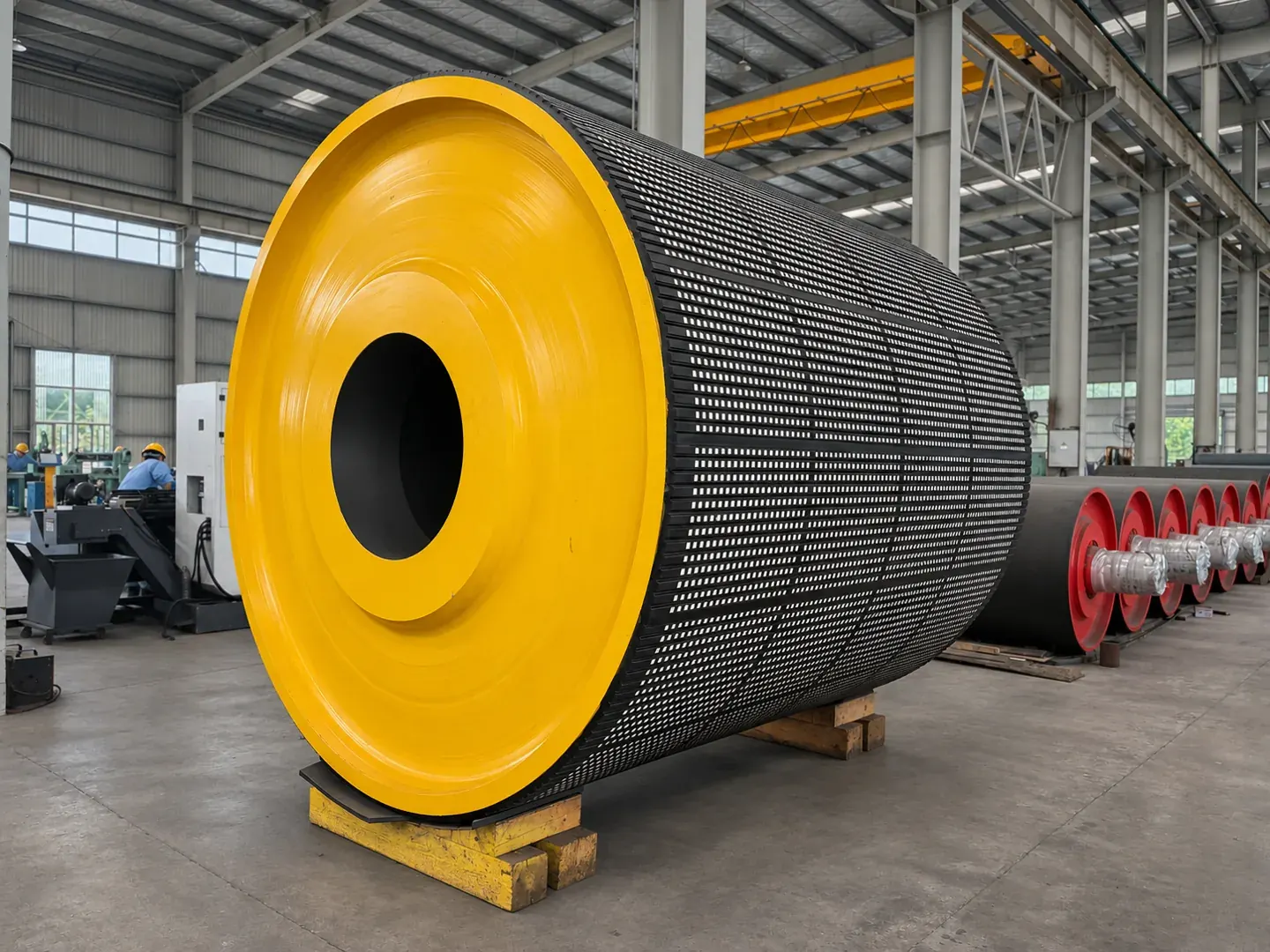
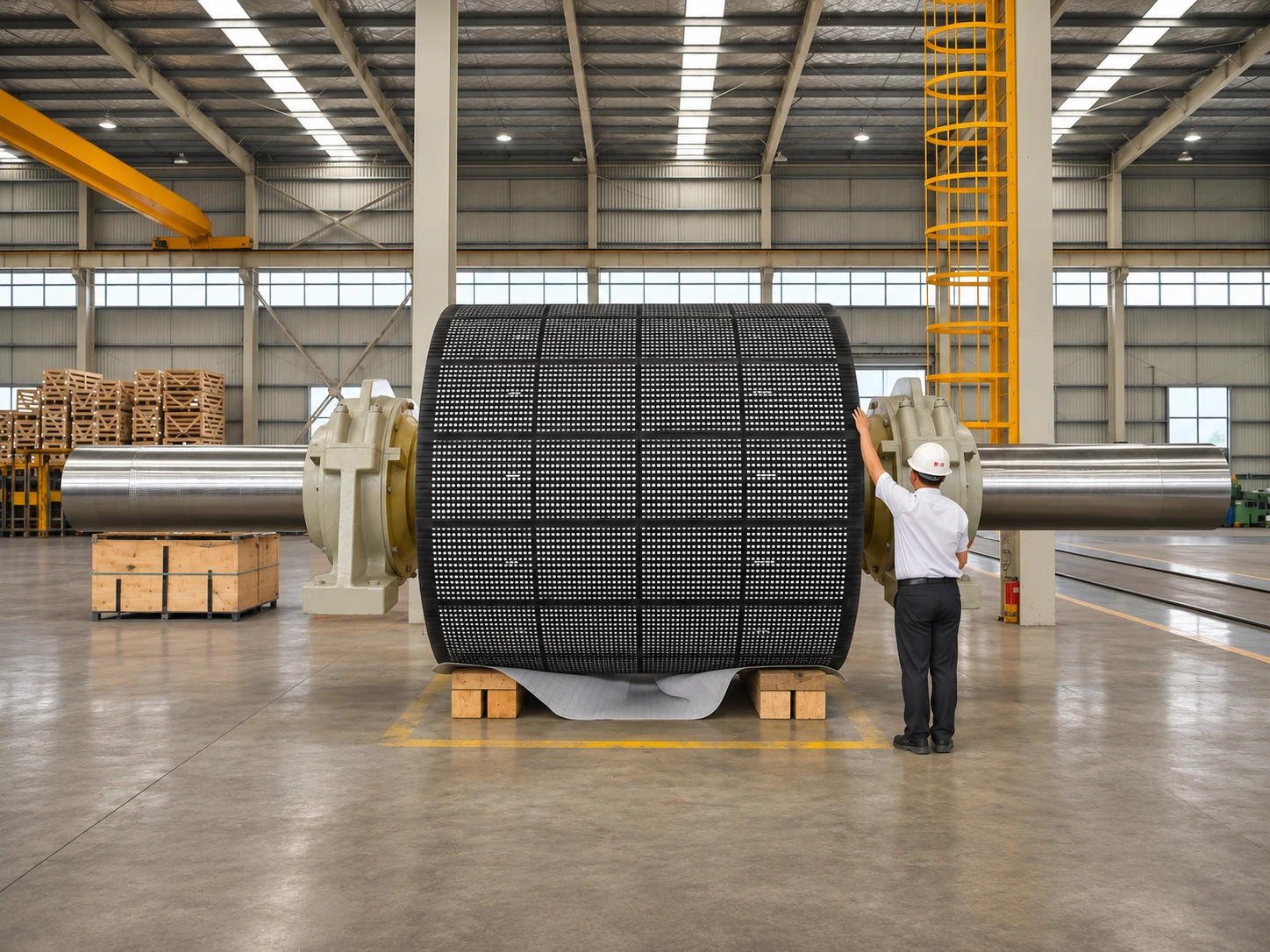
Heavy duty pulley
For high-capacity conveyors, we have specially designed heavy-duty pulleys, which have a more complex structure than conventional pulleys and greatly increase the strength of the pulleys,
Heavy duty pulley structure composition:
| Part | Description |
|---|---|
| Shell |
High quality seamless steel pipes or steel plates are usually used for rolling and welding, and the wall thickness is designed according to the load (heavy-duty can reach 20-60mm) |
| Shaft of Pulley |
Material: Forged alloy steel 42CrMo4, material certificate shall be provided. Heat treatment: Quenched and tempered (Q&T) as a whole, to meet requirements of strength, toughness and low-temperature impact property. NDT: Ultrasonic testing (UT) for the forging; magnetic particle testing (MT) on shaft journals, transition fillets and other stress-concentrated areas, free from cracks, white spots, inclusions and other defects. Machining: Precision machining on shaft journals, bearing fitting surfaces and hub fitting surfaces. Dimensional tolerances and geometric tolerances shall comply with drawing requirements. Smooth transition fillets to avoid stress concentration. Calculation: Strength and stiffness checked under normal load plus impact load. Low-temperature impact toughness guaranteed for cold service conditions to prevent brittle fracture. |
| Bearing house |
Including bearings, seals, and seats, multiple labyrinth seals are required for heavy working conditions |
| Connect parts |
Connecting components such as locking assemblies and key joints are used to guarantee reliable torque transmission between the shaft and pulley shell. |
| Adhesive layer (optional) |
Cold bonding, hot vulcanization lagging or ceramic lagging, thickness 8–20 mm. It increases the friction coefficient, prevents material adhesion and protects the conveyor belt. |
Related Conveyor Products
Polymer roller / Nonmetal Low-Noise Idlers
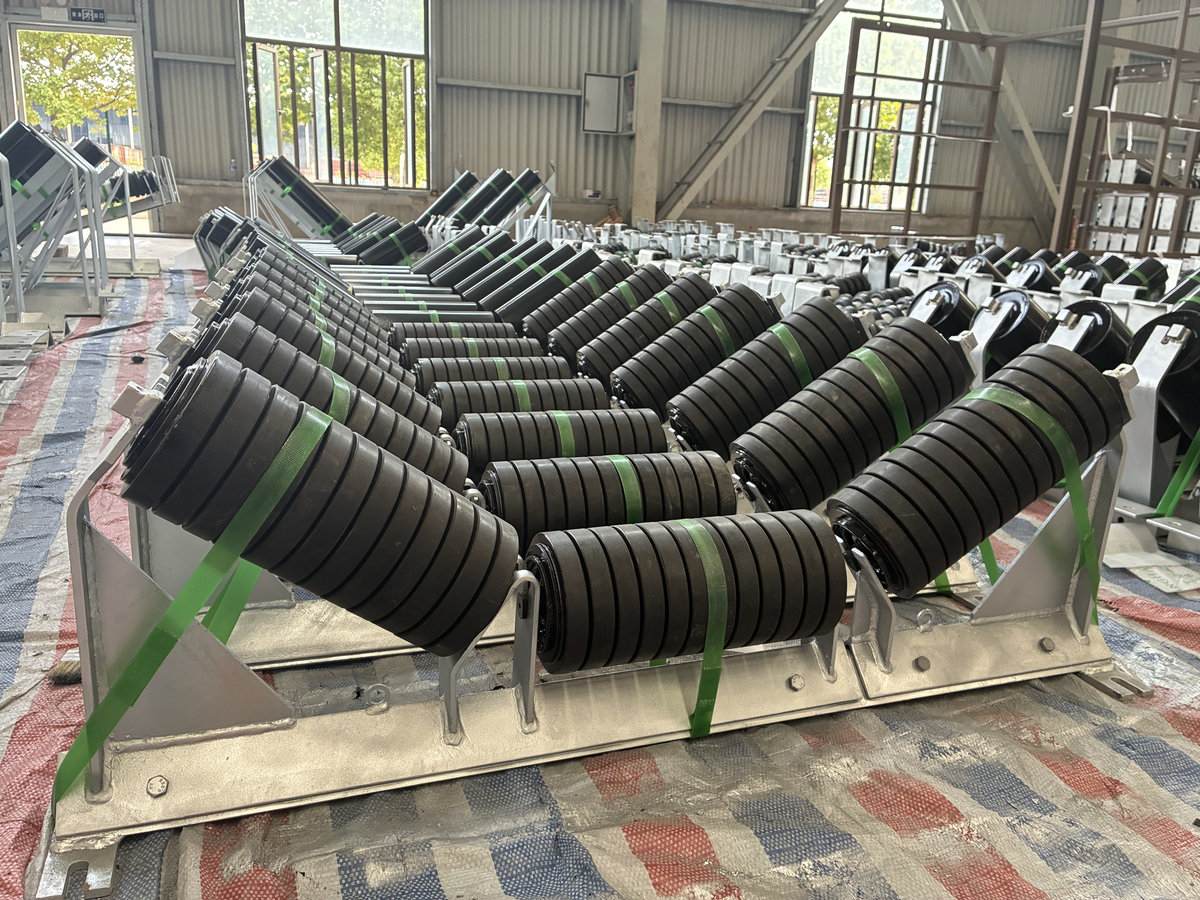
Impact Idler Assemblies

Long-Distance Belt Conveyors

Tubular Conveyor / Pipe Conveyor
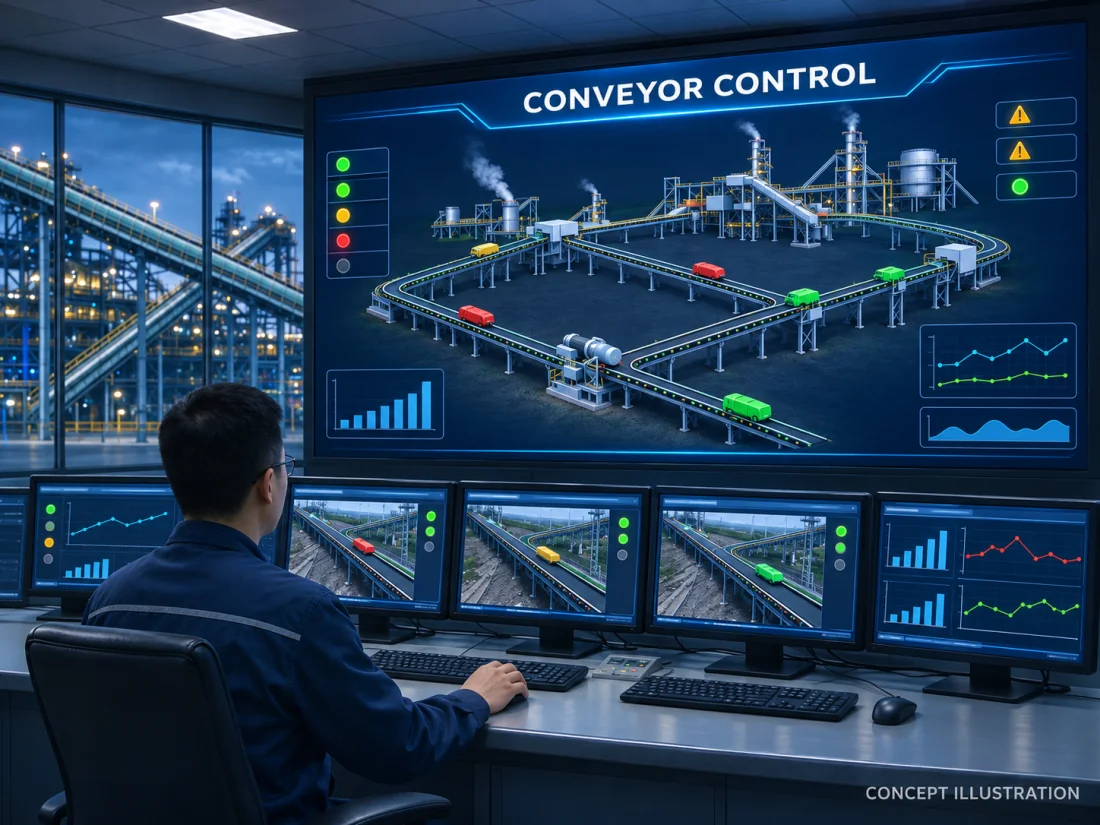
Conveyor Control and Protection Systems
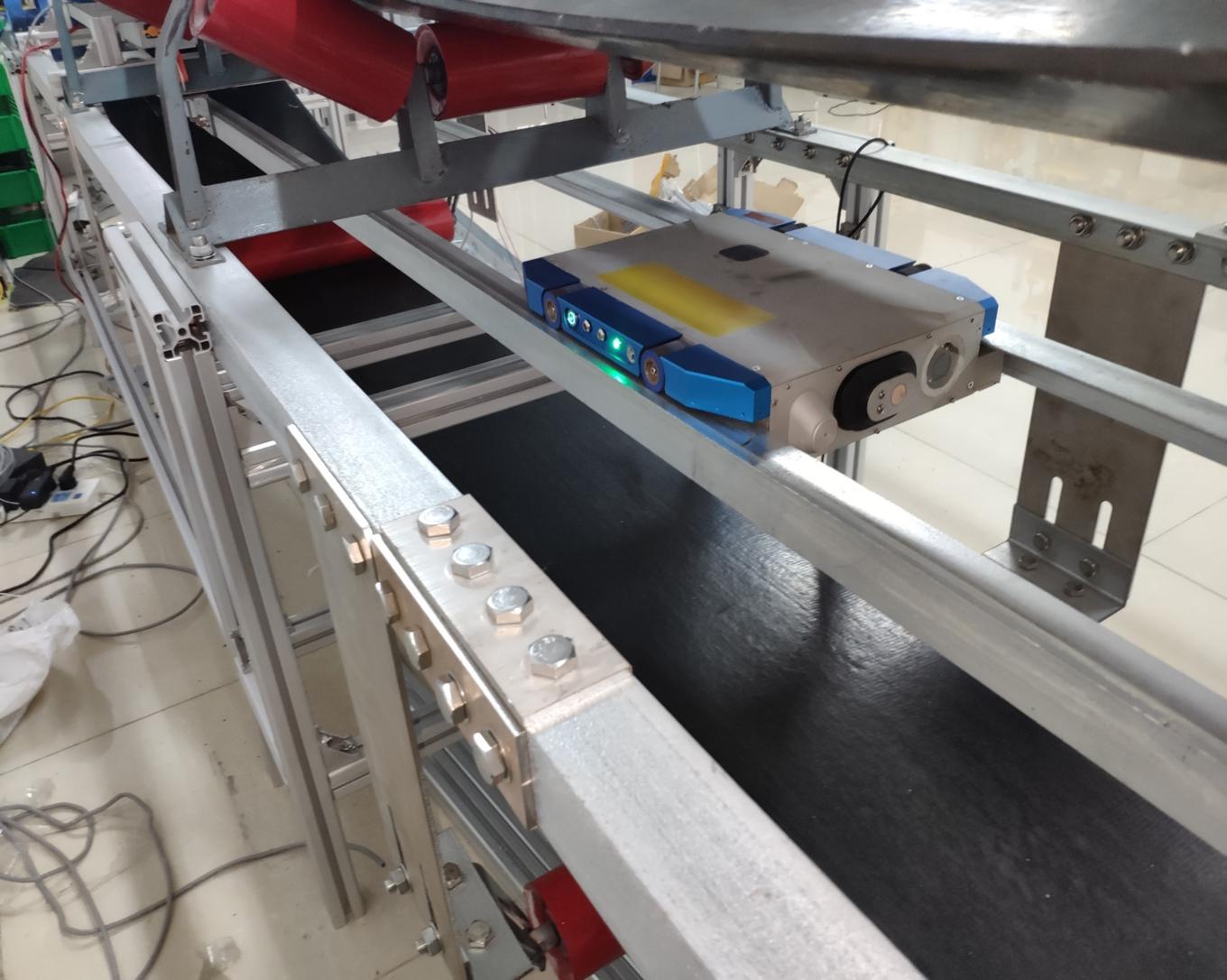
Jupiter-1S Inspection Robot
Conveyor Knowledge
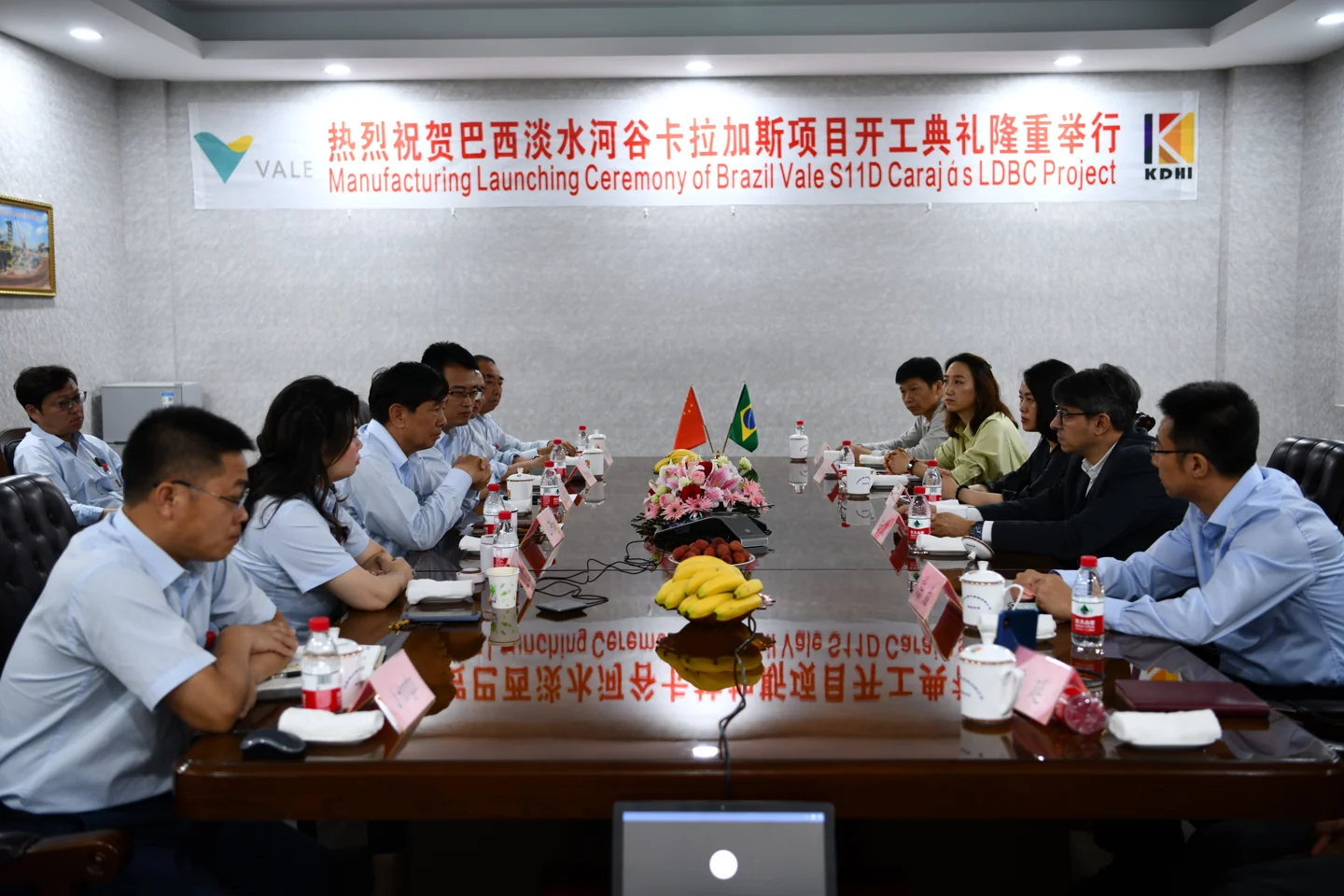
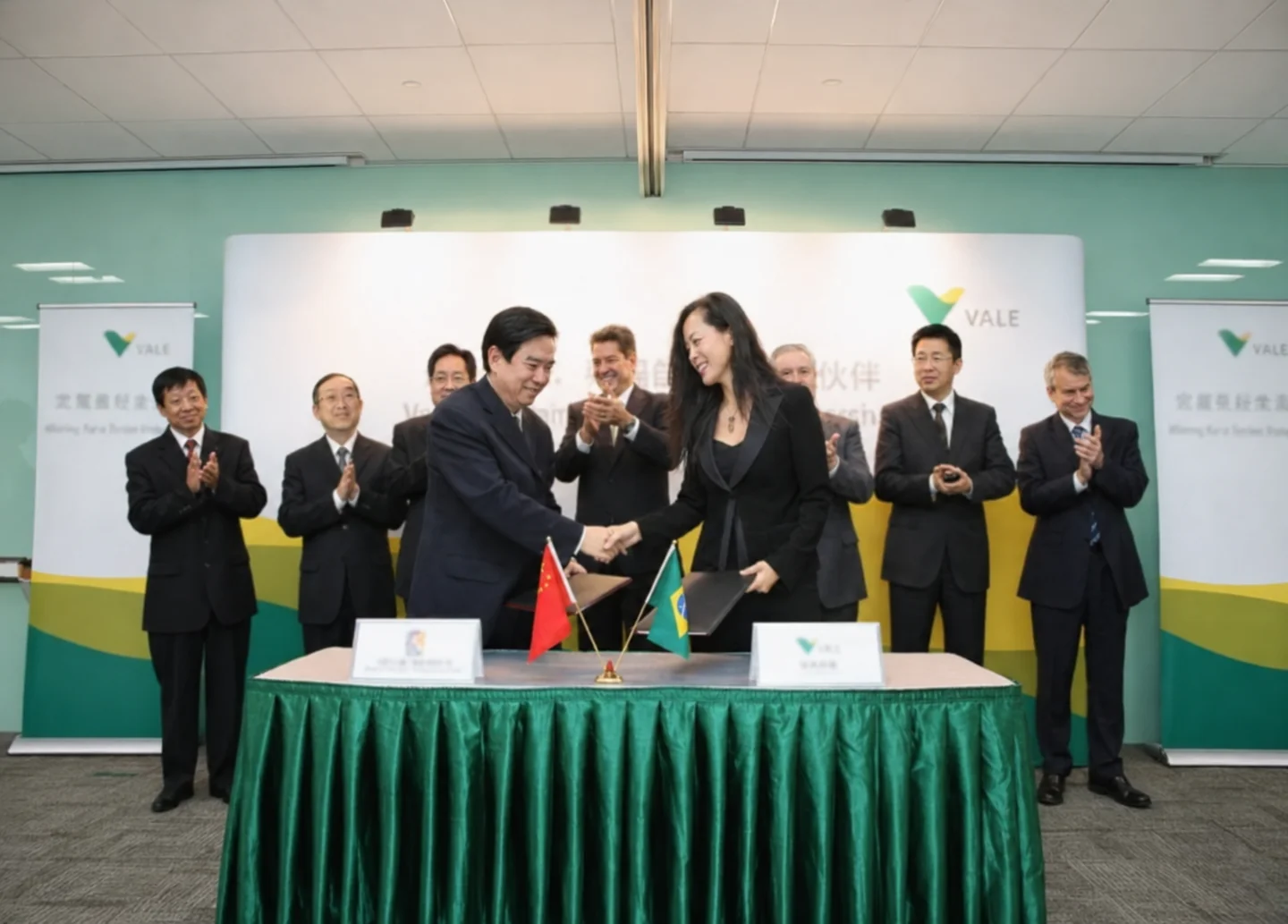
Manufacturing Launching Ceremony of Brazil Vale S11D Carajos LDBC Project
Nov 10, 2026
KDHI Company News and Updates
Nov 10, 2026

Quality Checks in Conveyor Manufacturing
Apr 22, 2026
Engineering & Support