Bidirectional transport conveyor
A bidirectional conveyor belt is a special conveying device that supports reversible operation of the conveyor belt in both forward and reverse directions. It can complete material transfer in two directions on the same equipment without reversing, thus breaking through the functional limitations of traditional unidirectional conveyor belts.
Details
Technical Parameters
The bandwidth covers 400mm~3200mm, with standard mainstream specifications of 500/650/800/1000/1200/1400/1600/1800/2000/2200/2400mm, and supports customized special sizes as needed.
According to the operating conditions, it can be divided into two types:
(1) Reversible conveyor belt type (for forward and reverse material transportation) is generally used at the top of the silo to unload materials to both ends of the silo as needed (wheel sets can also be configured for multi-point bidirectional unloading through walking drive), with a conveying distance of up to 1m~90m. The power is generally between 5.5kW and 200kW.
(2) Long distance heavy-duty machinery (for forward and reverse transportation of materials) is generally used in port loading and unloading conditions, as well as in yard stacker reclaimer conditions. The power is generally between 200kW and 1000kW, and dual or multiple drive configurations are often used. The drive positions are flexible and variable (can be arranged at the head and tail, or concentrated in one place), and the conveying distance can reach 100m~1000m, with a maximum conveying capacity of 20000t/h
Both of the above belt conveyors can ensure sufficient power for bidirectional operation. The conveying efficiency remains consistent during bidirectional operation without significant power attenuation. The conveyor belt can be made of materials such as rubber, PVC, PU, etc. The surface is treated with anti slip and wear-resistant measures, and it does not slip even under wet or inclined conditions.
Advantages
- Significant improvement in space utilization: a single device can replace two one-way conveyors without the need for additional reserved space for reverse conveying, and the site utilization rate can be increased by more than 30%.
- The process flow is highly flexible: the same equipment can forward feed raw materials and reverse recycle empty containers/non-conforming products, reducing production line adjustment time by 40%.
- Lower overall operating costs: By reducing the number of equipment purchases and synchronously lowering maintenance, energy consumption, and land occupation costs, the overall operating costs can be reduced by about 25%.
- Stable operation and longer lifespan: The dual drive design ensures even force distribution on the belt, avoiding local stress concentration, effectively reducing deviation faults, and extending the replacement cycle of the conveyor belt.
- One machine covers multiple tasks: loading, unloading, dumping and other operations can be completed without turning around, and one device can cover the needs of round-trip transportation.
Typical Application Industries
- All kinds of Mine, including Coal mine, Underground mine, Open-pit mines, Copper mine, Iron mine,Gold mine,Potash mine,use conveyor to delivery coal or ore;
- Power plant use conveyor to delivery coal.
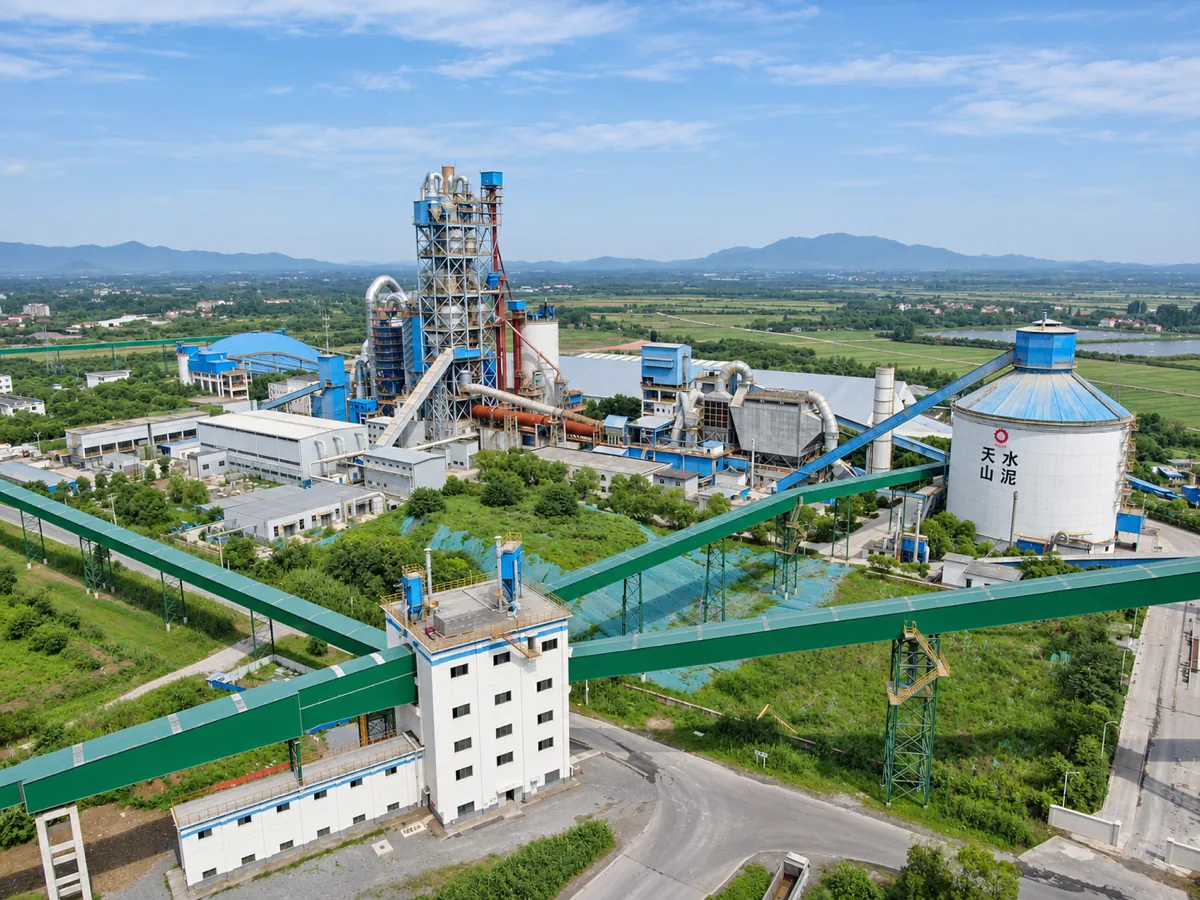
- Cement plants use conveyor to delivery limestone;
- Port and dock operations: During loading, cargo is transported in the forward direction, and during unloading, it is transported back to the yard in the reverse direction, reducing the number of equipment configurations and improving the efficiency of dock operations.
- Storage and logistics industry: Connecting different storage areas, flexibly adjusting material flow direction, and improving cargo processing efficiency by 35%Chemical parks.
Related Conveyor Products
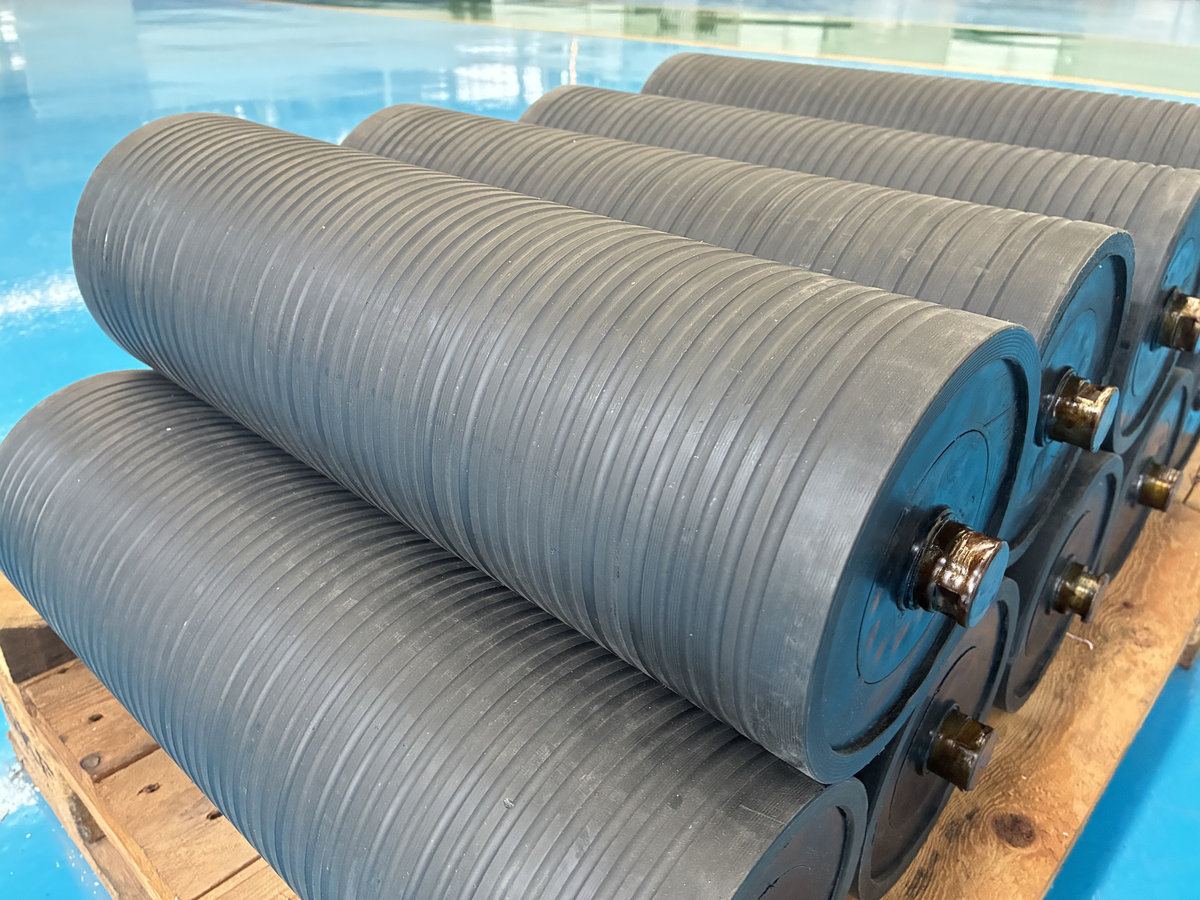
Polymer roller / Nonmetal Low-Noise Idlers
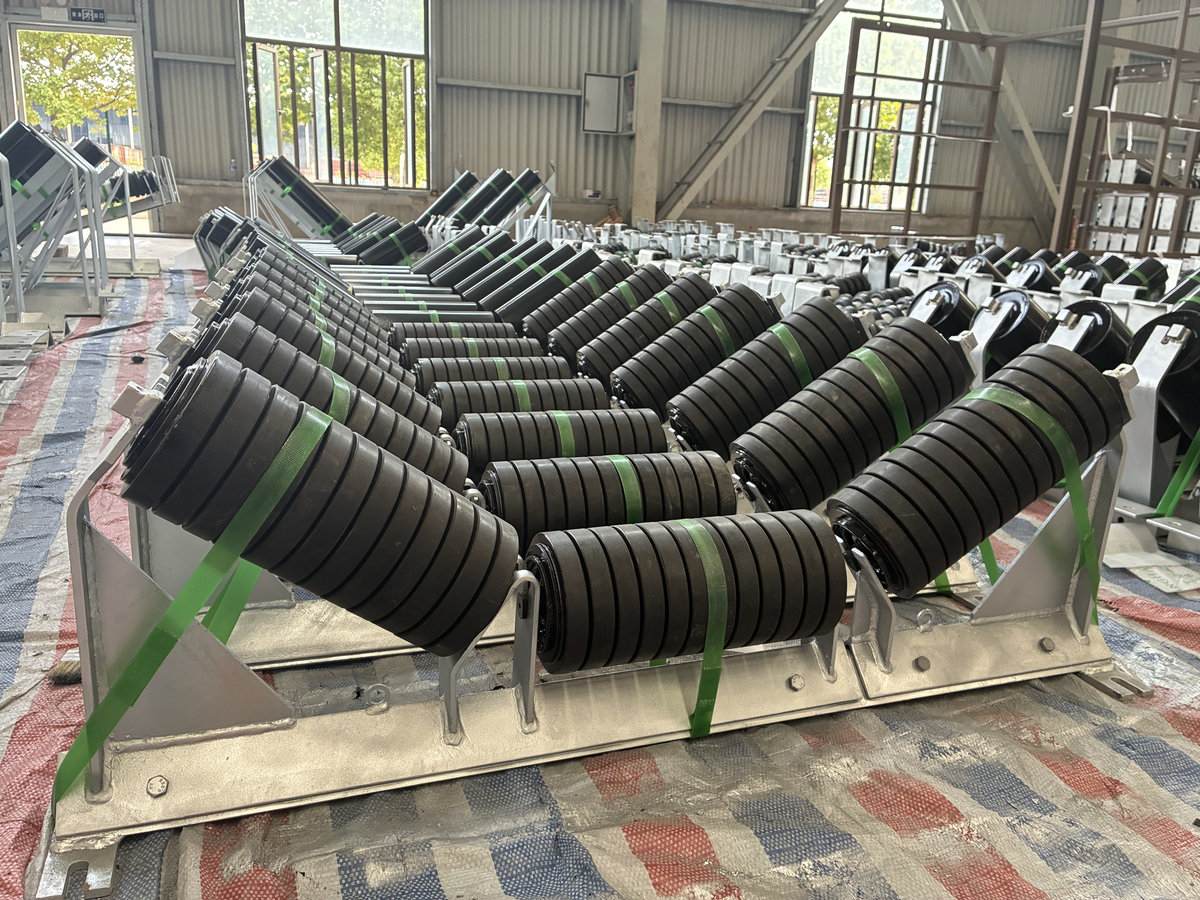
Impact Idler Assemblies
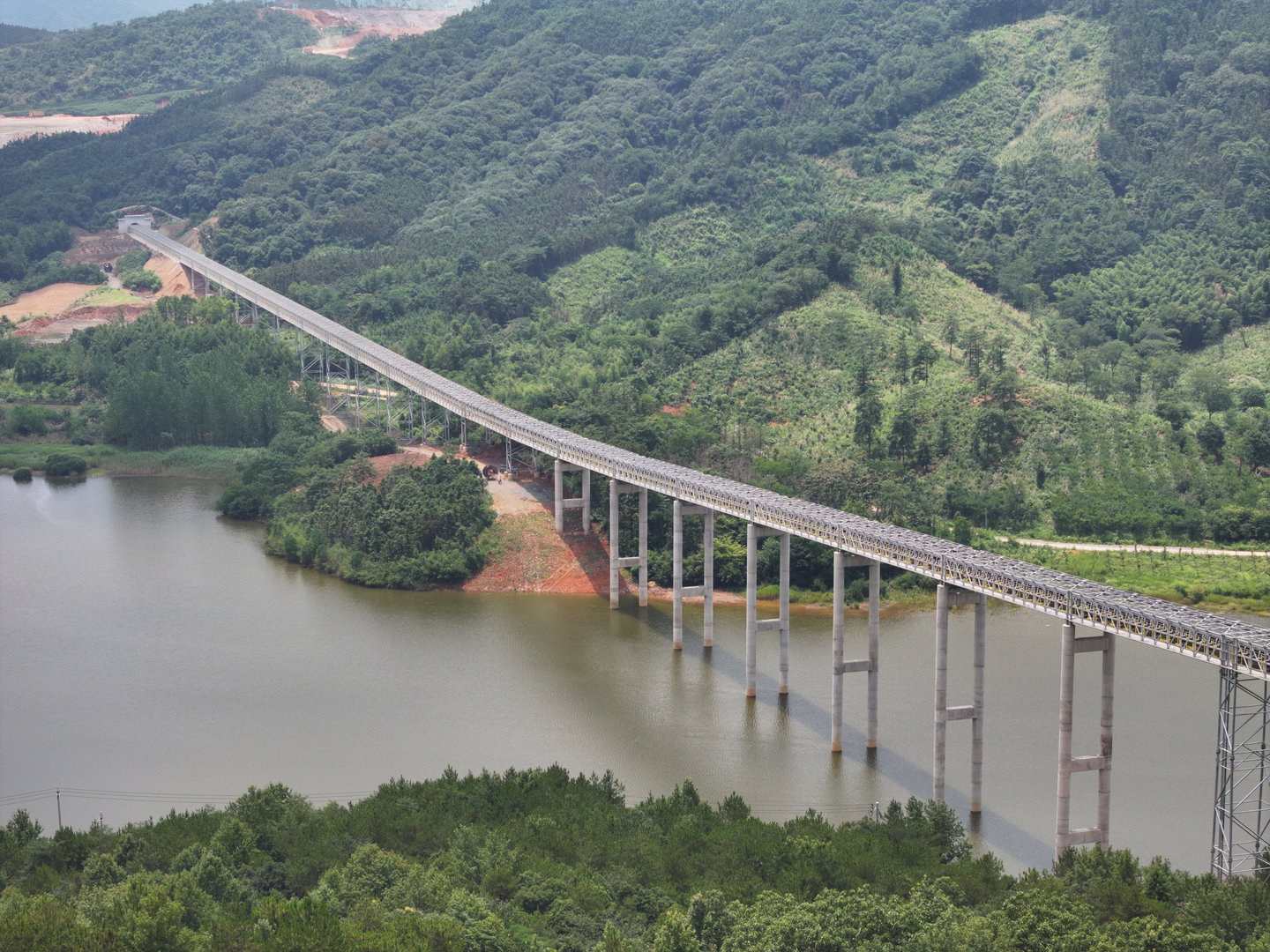
Long-Distance Belt Conveyors
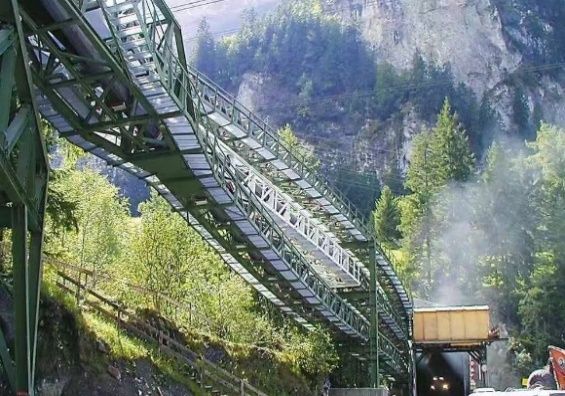
Tubular Conveyor / Pipe Conveyor
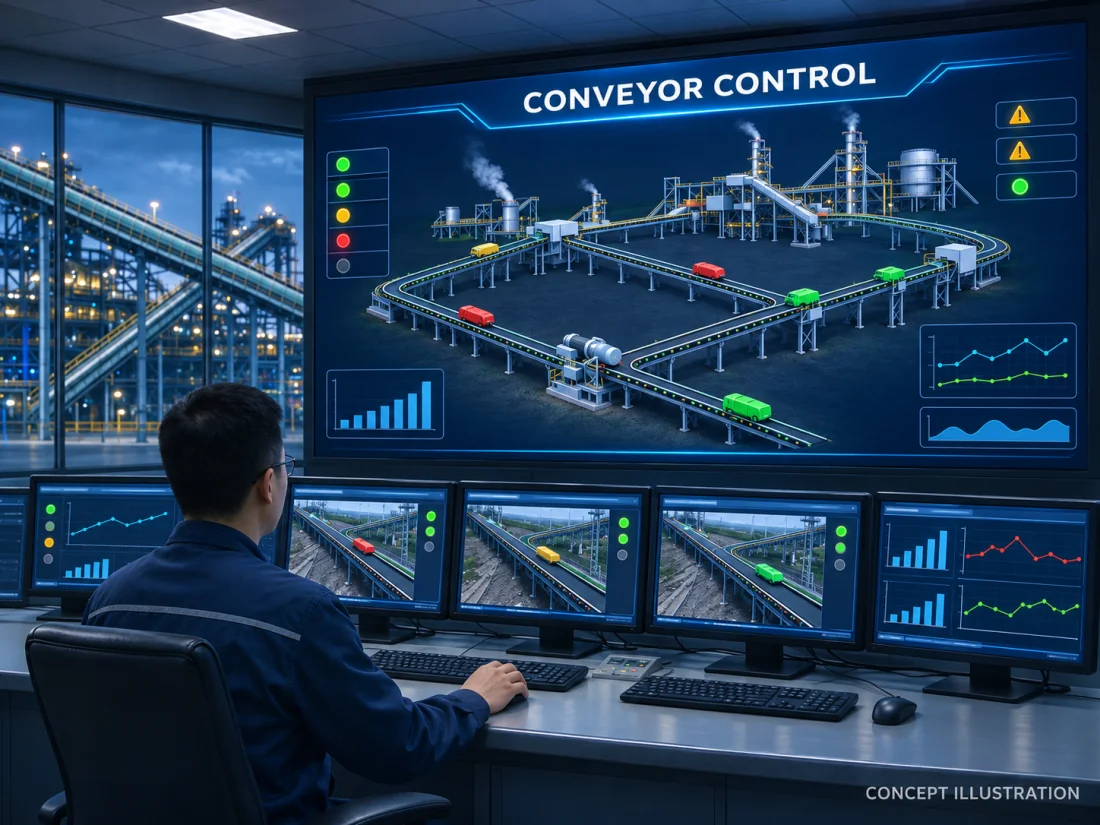
Conveyor Control and Protection Systems
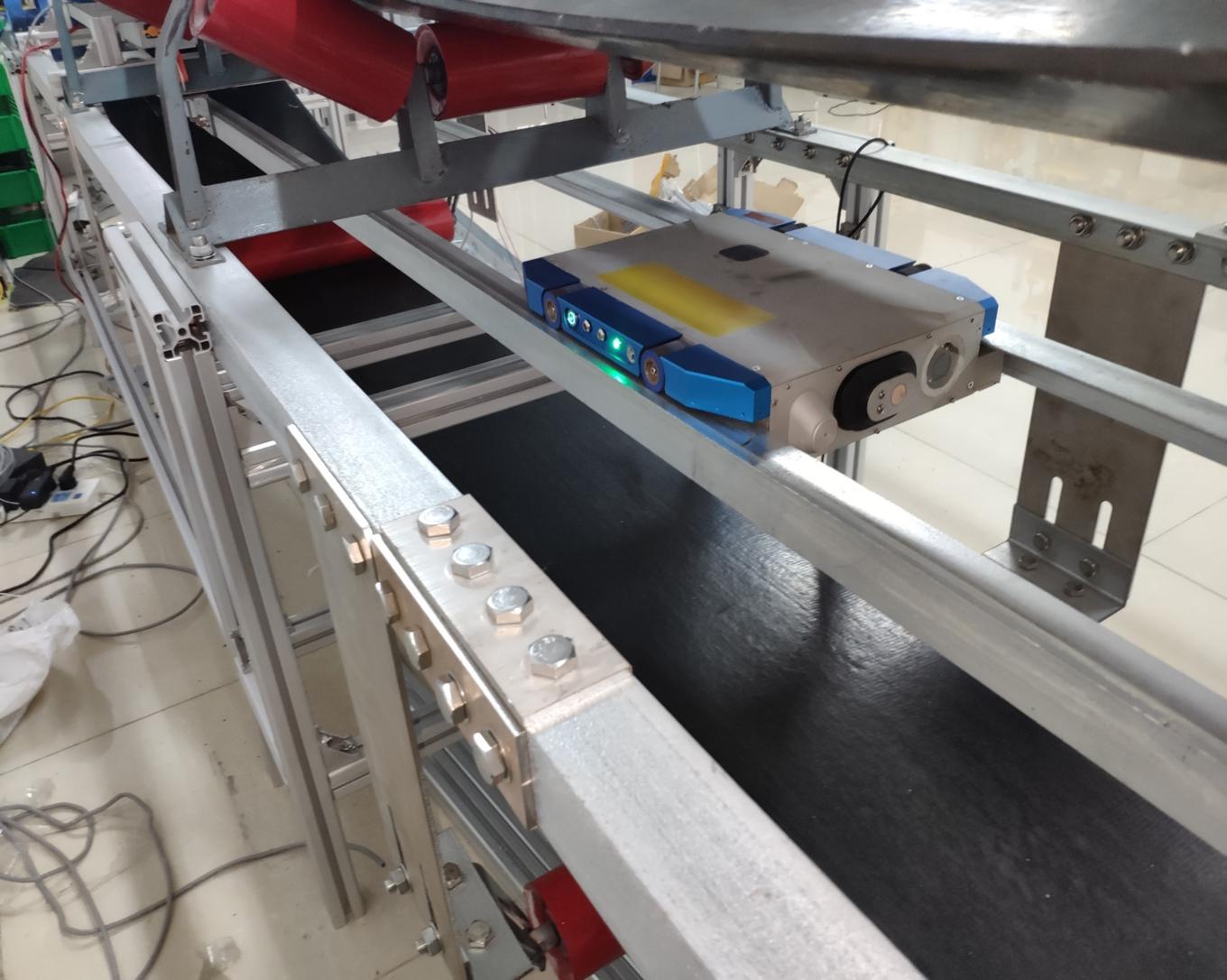
Jupiter-1S Inspection Robot
Conveyor Knowledge
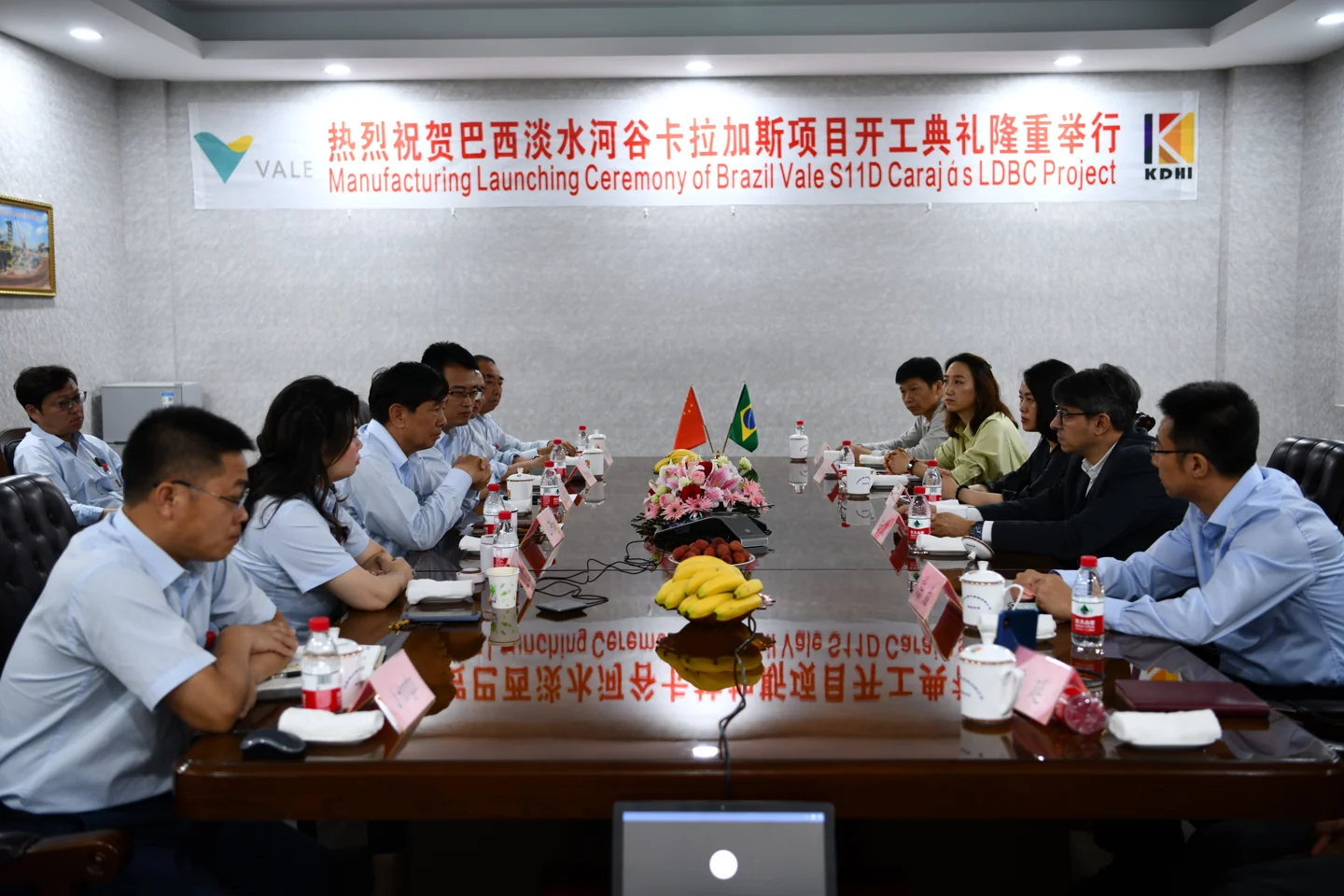
Manufacturing Launching Ceremony of Brazil Vale S11D Carajos LDBC Project
Nov 10, 2026
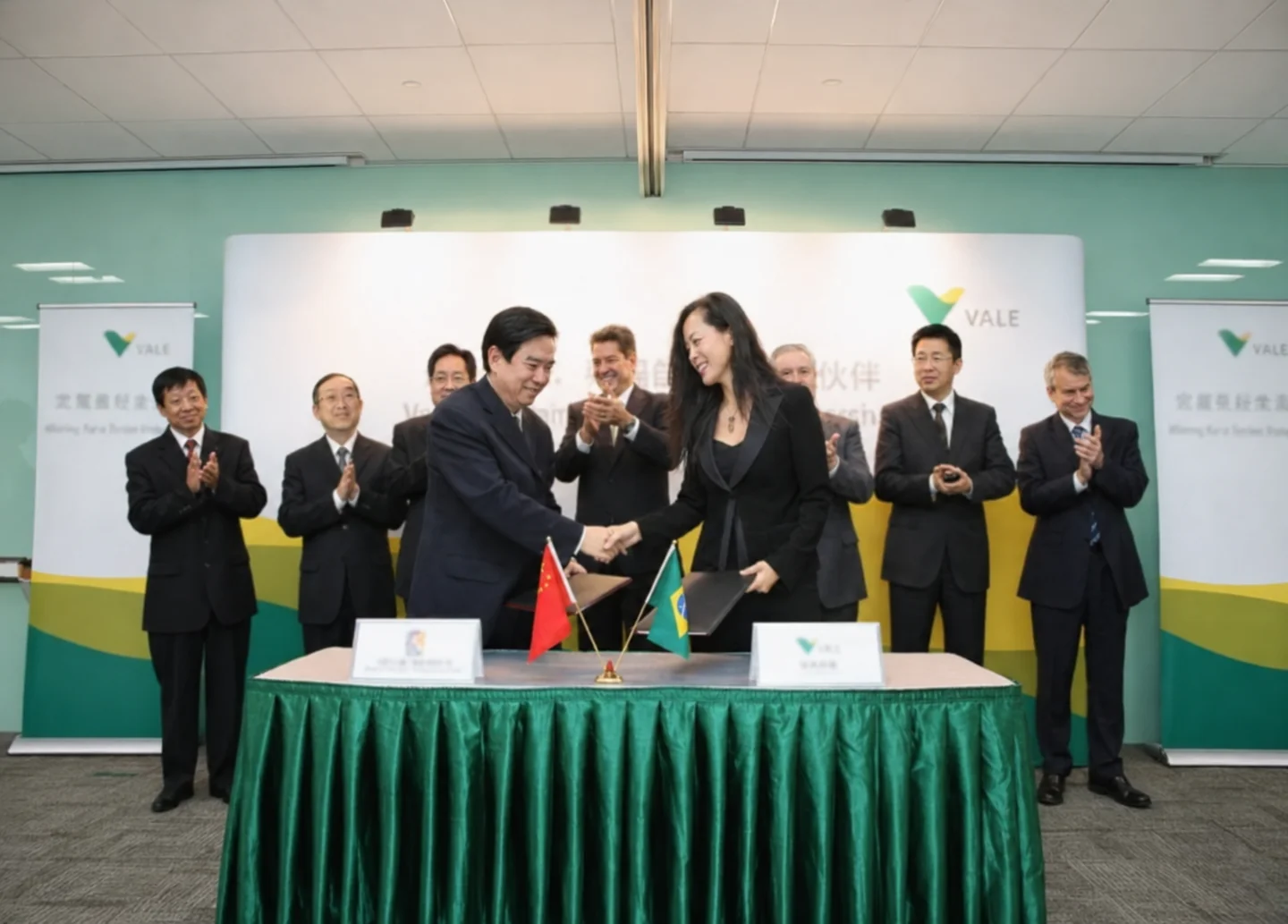
KDHI Company News and Updates
Nov 10, 2026

Quality Checks in Conveyor Manufacturing
Apr 22, 2026
Engineering & Support