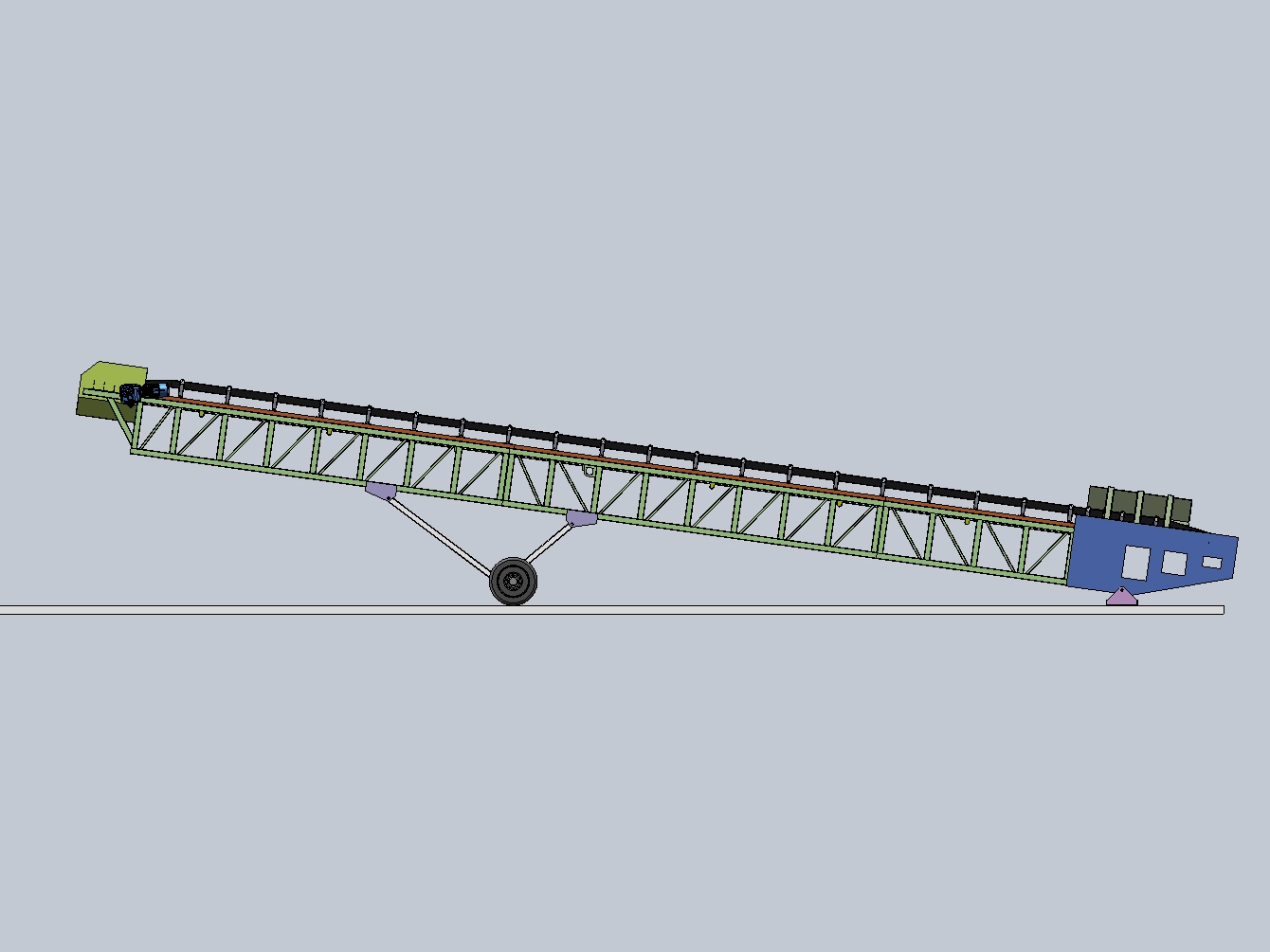
Mobile belt conveyor
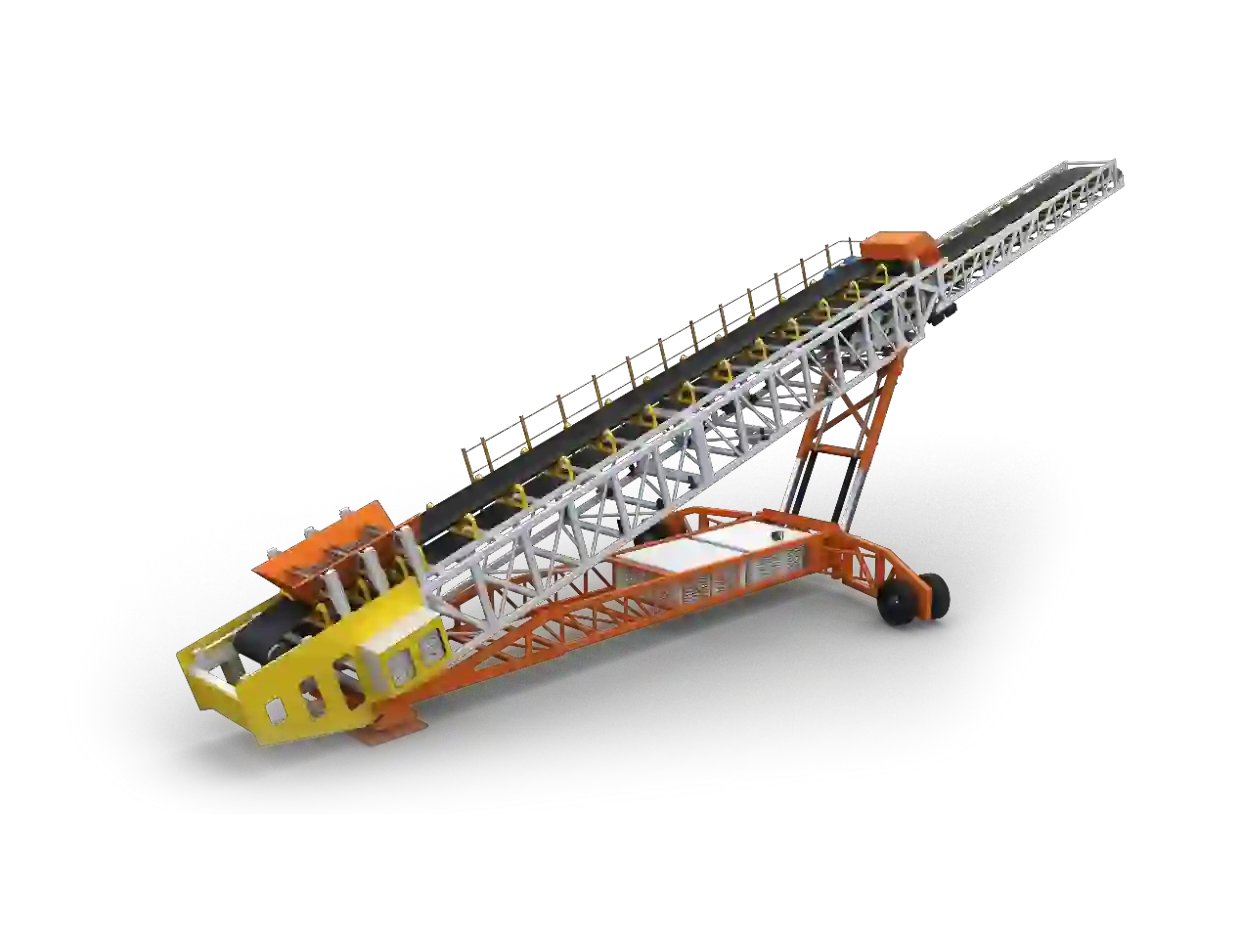
Mobile belt conveyor is a flexible and continuous conveying equipment that differs from traditional fixed belt conveyors. The overall structure is lightweight and suitable for various material transfer scenarios with frequent changes in operating points.
Details
Core structure composition
Walking mechanism: equipped with heavy-duty universal casters or inflatable off-road wheels, supporting 360 ° steering and fixed-point braking, convenient for pushing and shifting (manual and electrically controlled).
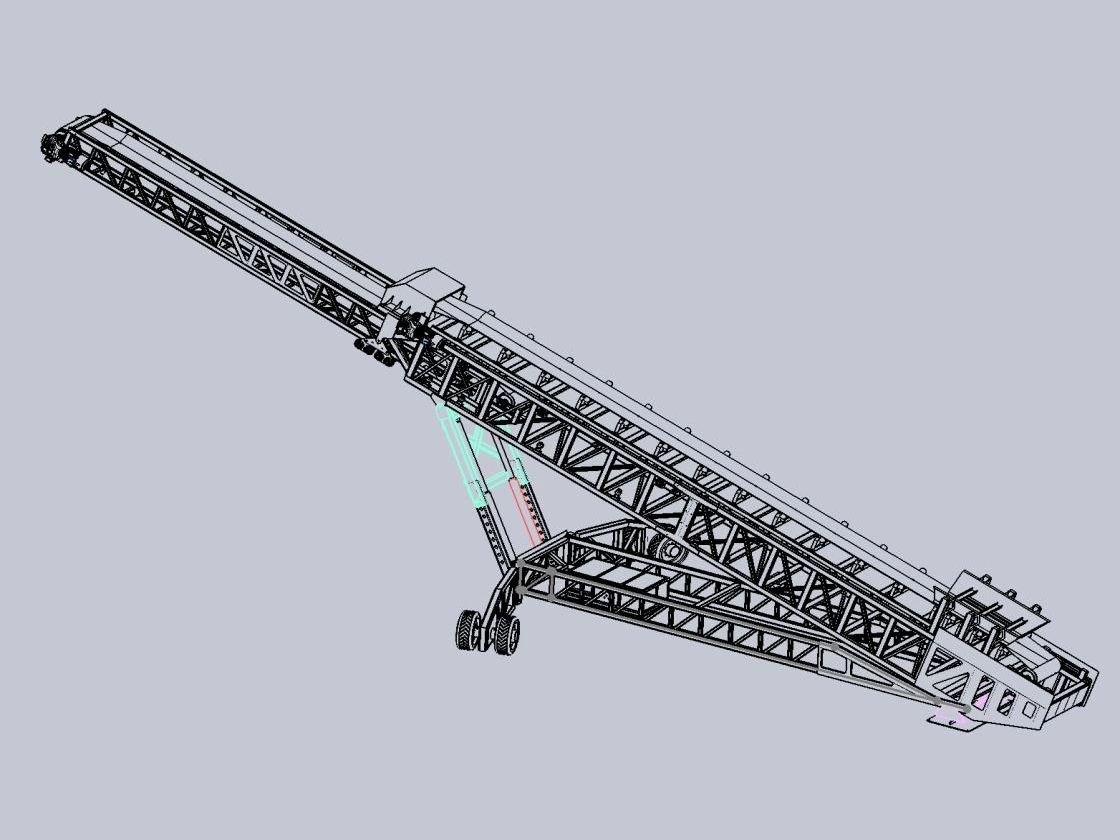
Rack body: Made of welded steel sections, balancing structural strength and lightweight characteristics, the overall weight of the machine is much lower than that of fixed belt conveyors of the same specifications.
Conveyor mechanism: composed of conveyor belt, driving drum, driven drum, and idler roller, it is the core component of material carrying and conveying.
Lift adjustment mechanism: divided into two types: electric and hydraulic, it can flexibly adjust the tilt angle and unloading height of the machine body, adapting to different loading and unloading needs.
Electronic control system: controls core functions such as start stop, speed regulation, forward and reverse rotation, with simple operation logic that can be mastered without complex training.
Basic technical parameters
Bandwidth coverage ranges from 400mm to 2200mm, with standard mainstream specifications being 500/650/800/1000/1200mm, and special specifications supporting customization.
The conveying distance can reach 10m~100m, and the conveying length of conventional models is mostly controlled within 30 meters, suitable for medium and short distance transportation.
The maximum conveying capacity can reach 1-5000t/h, and the belt speed can be adjusted through frequency conversion. The conventional operating speed is about 1 m/s to 4 m/s.
The material of the conveyor belt can be selected from rubber, PVC, PU, etc., and special types such as heat-resistant, cold resistant, and acid alkali resistant can be customized according to needs.
Advantages
- Deploying zero infrastructure: No need to pour foundation, quickly put into operation on site, occupying minimal space when idle, greatly saving site costs.
- One machine covers multiple scenarios: a single device can flexibly transition between multiple work sites, replacing multiple fixed conveying devices and reducing procurement investment.
- Highly adaptable: Supports bidirectional adjustment of tilt angle and height, can be connected to various types of trucks and containers, and completes the loading, unloading, and transportation of bulk and packaged materials.
- Low operation and maintenance costs: The whole machine has no complex redundant structure, low failure rate, and only needs to check the belt tension and fastener status on a daily basis.
- Low homework intensity: Electric lifting replaces manual adjustment, greatly reducing labor consumption, and a single person can complete the entire process operation.
Typical Application Industries
- All kinds of Mine,temporary material transportation near the mining face, adapted to the frequent advancement of the working face;
- Power plant use conveyor to delivery coal.
- Cement plants use conveyor to delivery limestone.Short distance transportation of materials such as sand, gravel, cement, etc., with flexible displacement as the construction surface advances.;
- Bulk Port use conveyor to delivery bulk material to ship;
- Chemical parks.
Related Conveyor Products
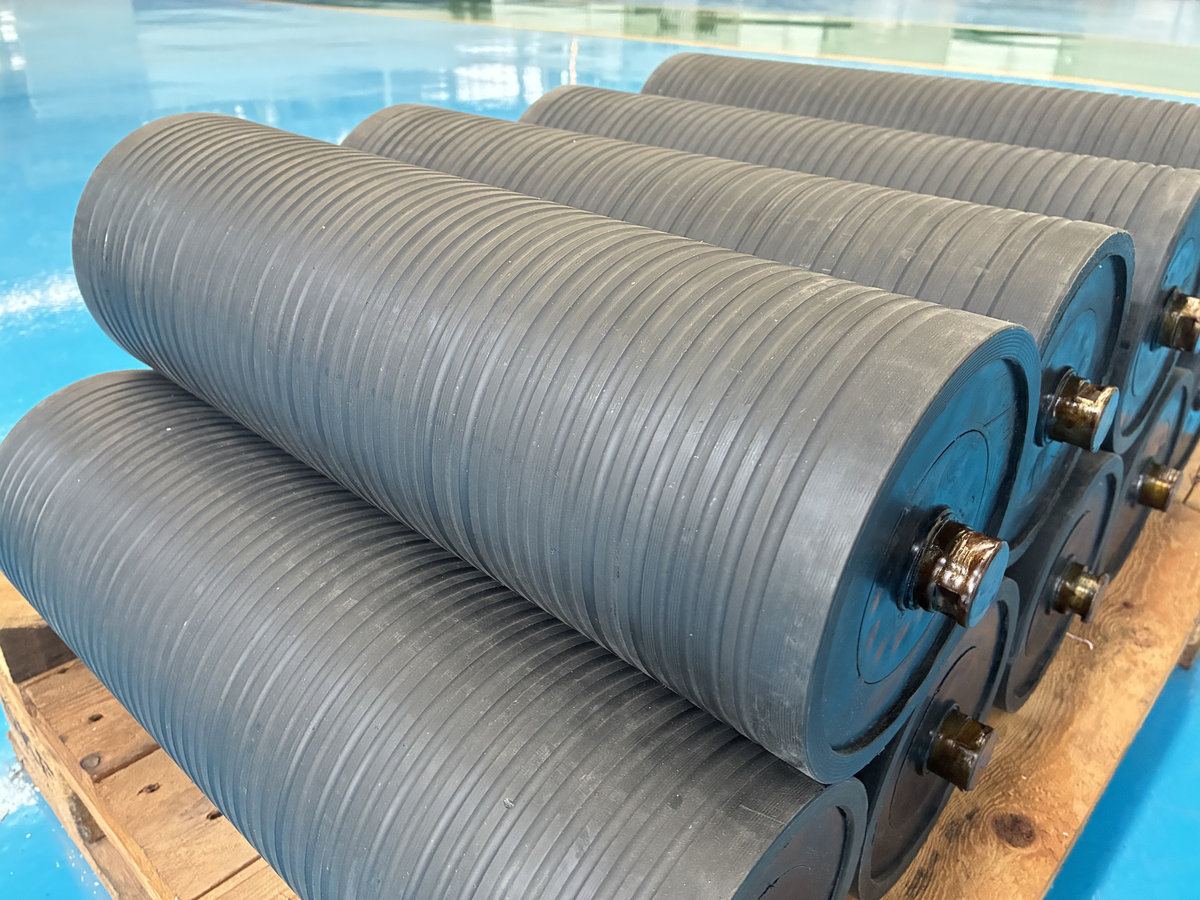
Polymer roller / Nonmetal Low-Noise Idlers
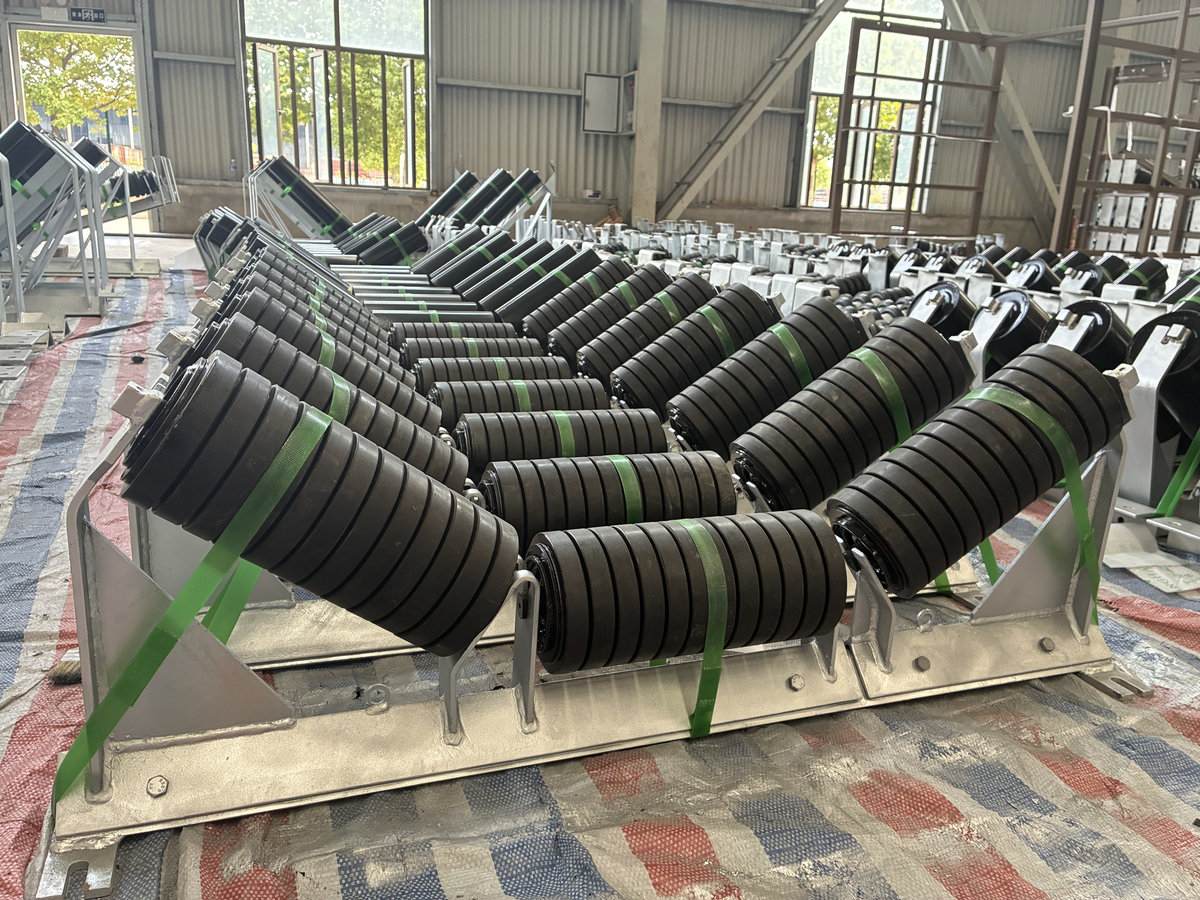
Impact Idler Assemblies
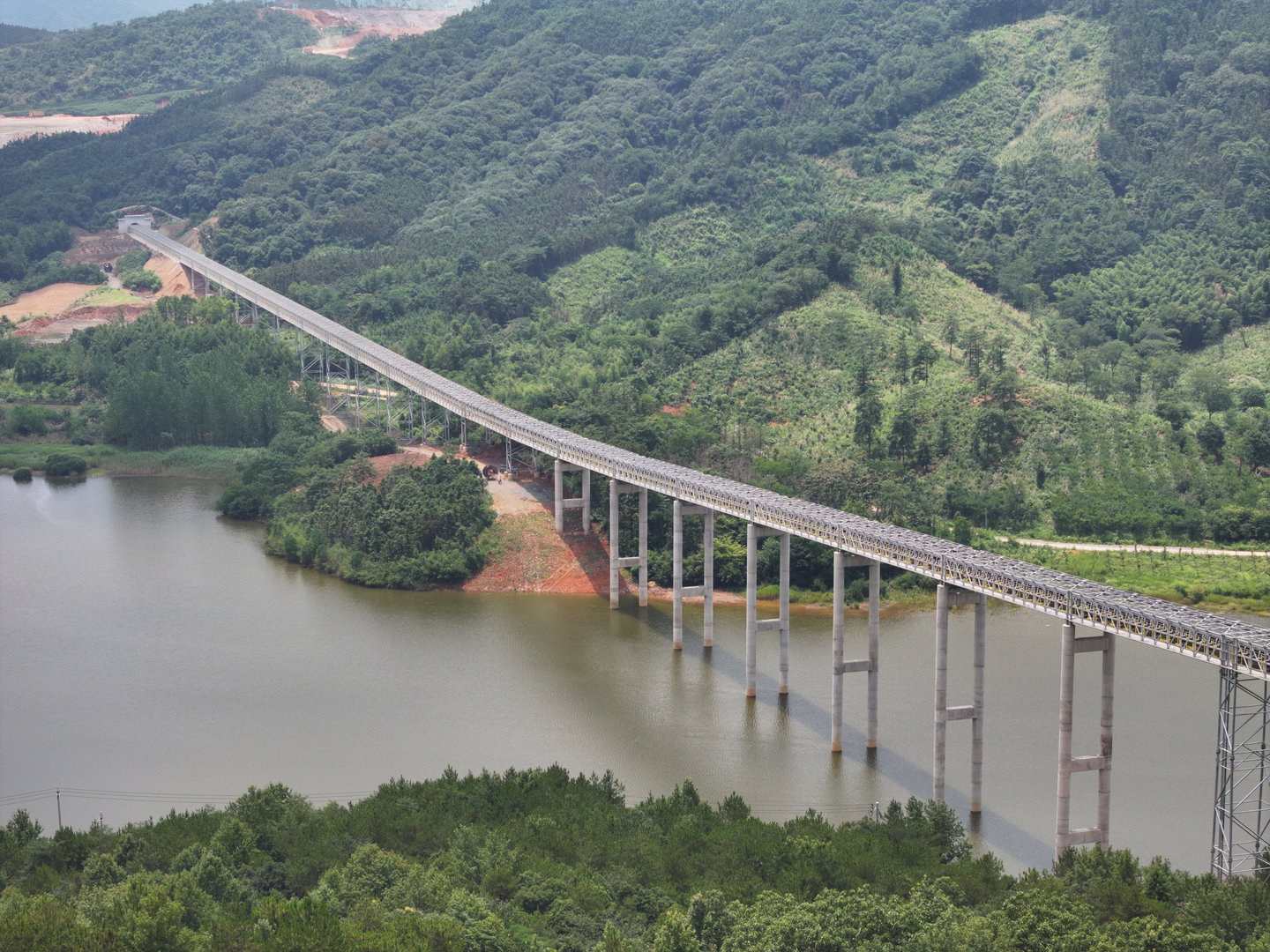
Long-Distance Belt Conveyors
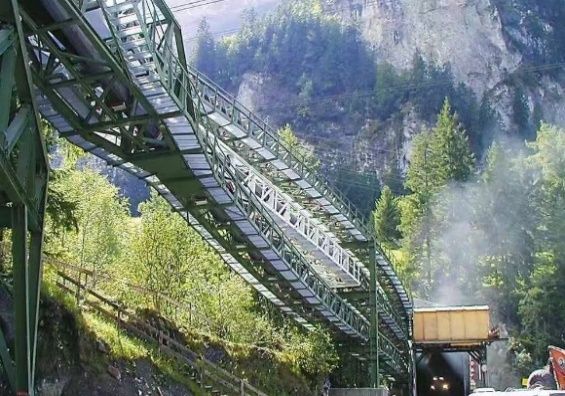
Tubular Conveyor / Pipe Conveyor
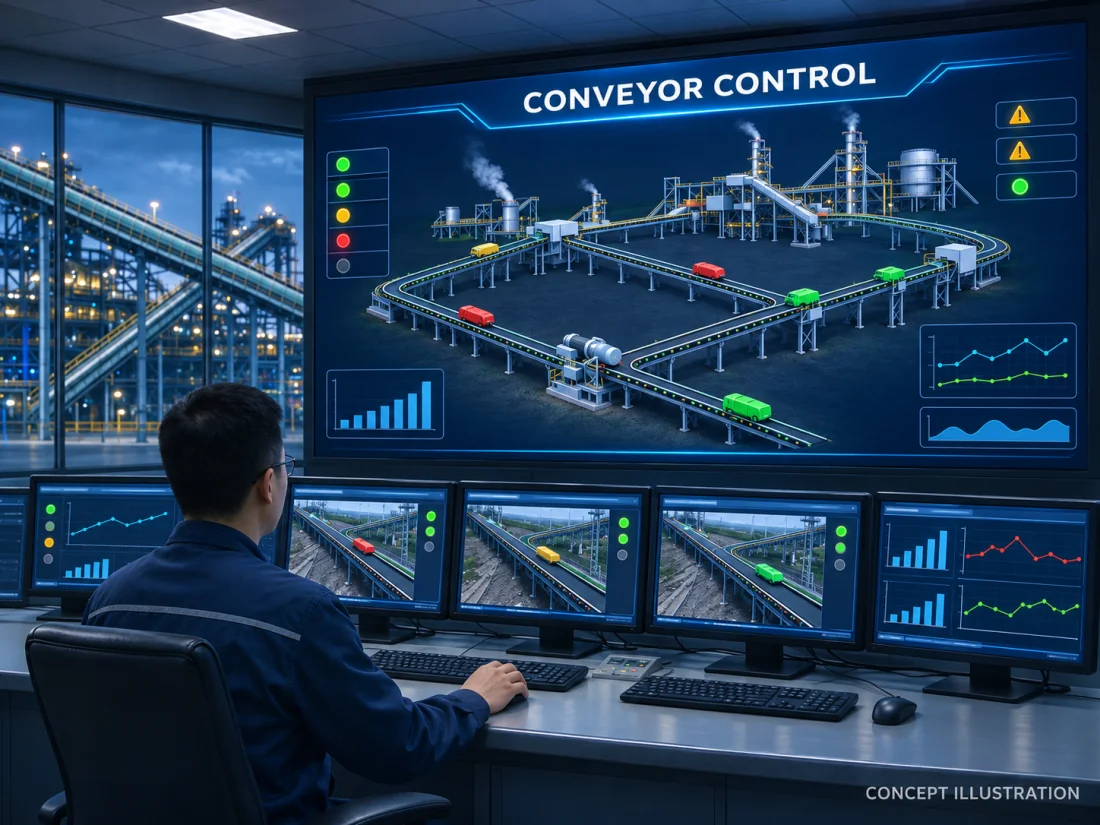
Conveyor Control and Protection Systems
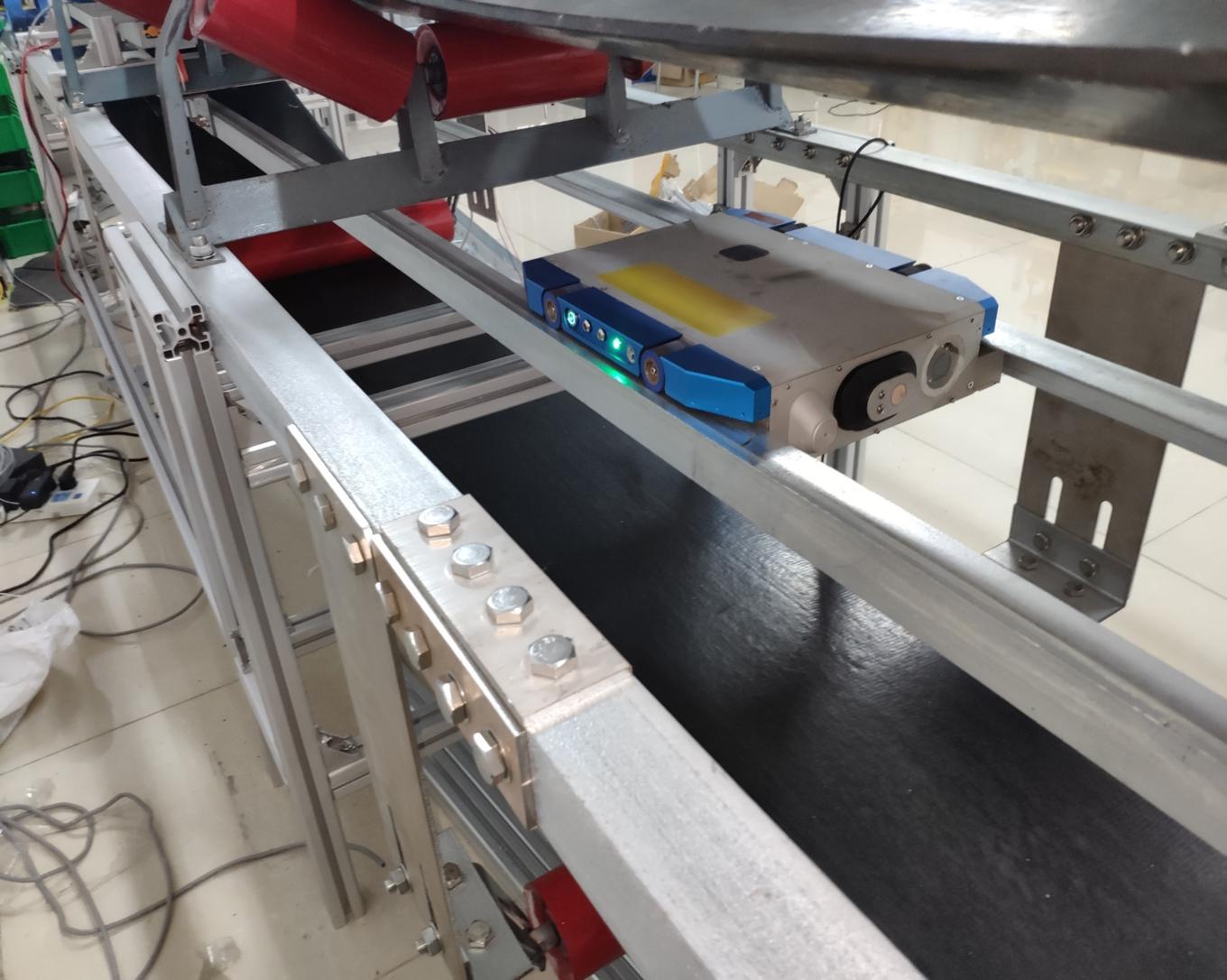
Jupiter-1S Inspection Robot
Conveyor Knowledge
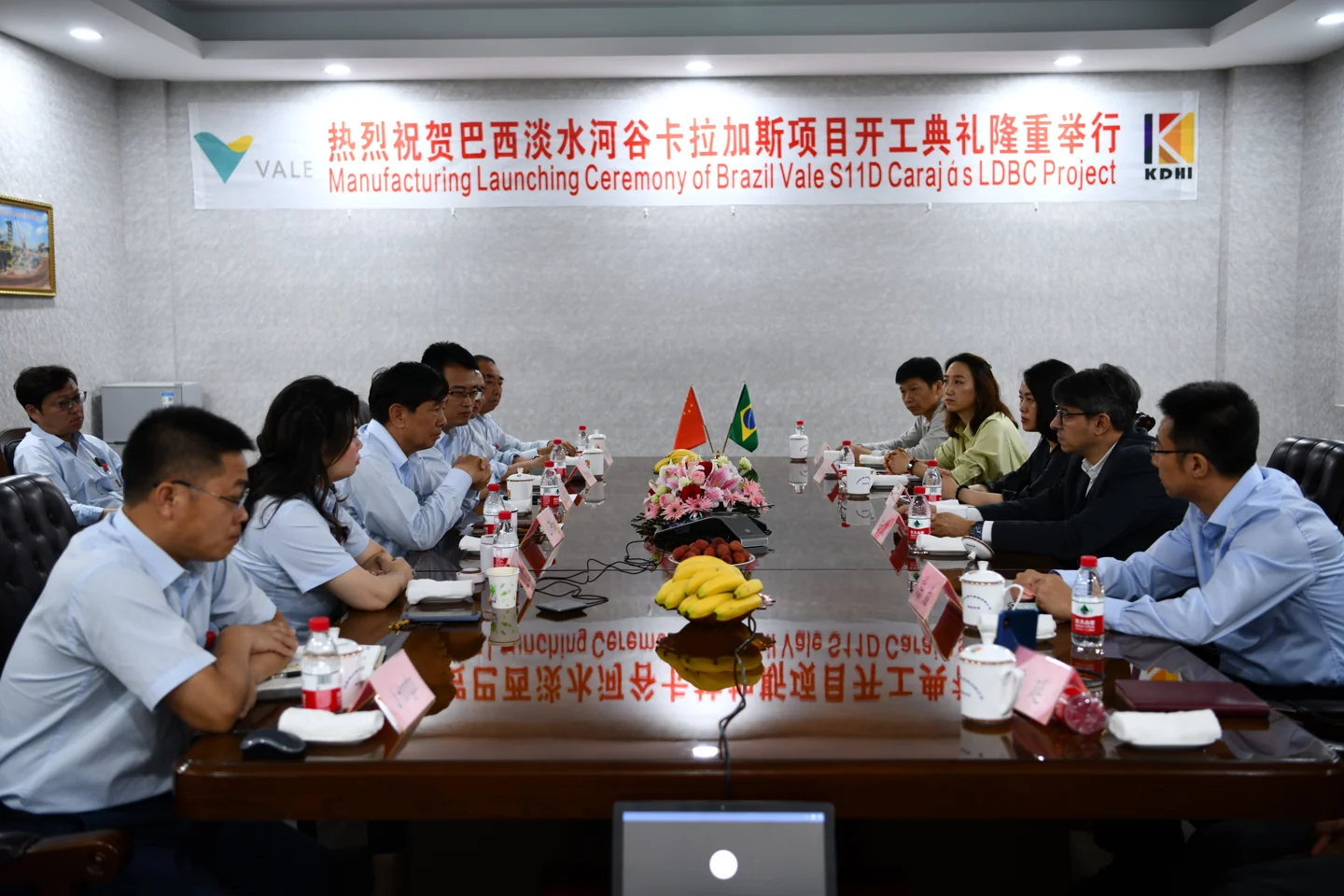
Manufacturing Launching Ceremony of Brazil Vale S11D Carajos LDBC Project
Nov 10, 2026
KDHI Company News and Updates
Nov 10, 2026

Quality Checks in Conveyor Manufacturing
Apr 22, 2026
Engineering & Support