Quality Checks in Conveyor Manufacturing
- Company
-
 KDHI
- 22 Apr, 2026
Conveyor manufacturing quality is built through a sequence of checks. Material identification, fabrication records, inspection and preparation for shipment connect the finished equipment with the requirements of the order.
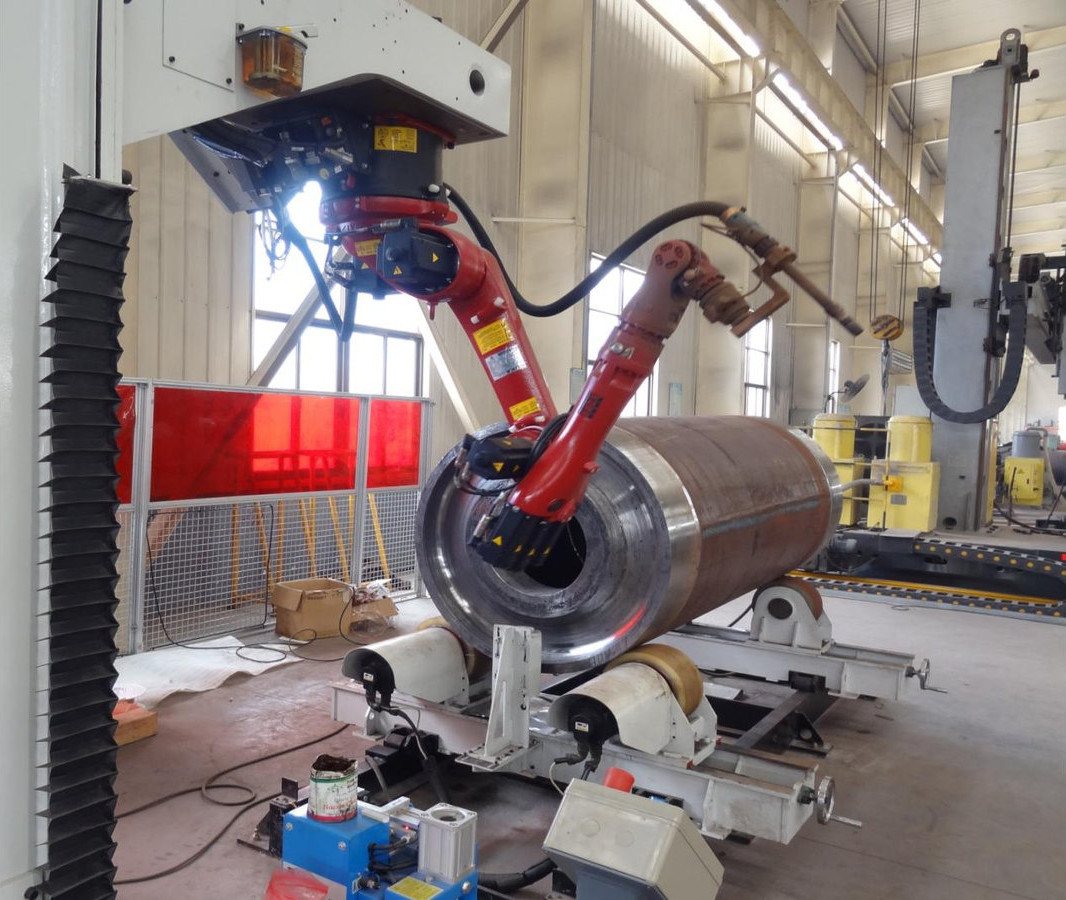
Establish material identification and traceability
KDHI uses raw-material sampling, rechecking, identification and traceability. These steps provide a basis for following material through fabrication and linking it to the relevant manufacturing and inspection records.
For a purchaser, the practical question is which records and acceptance requirements apply to the order. Establishing these expectations early is more useful than asking for an undefined final quality check after production is complete.
Coordinate fabrication and component inspection
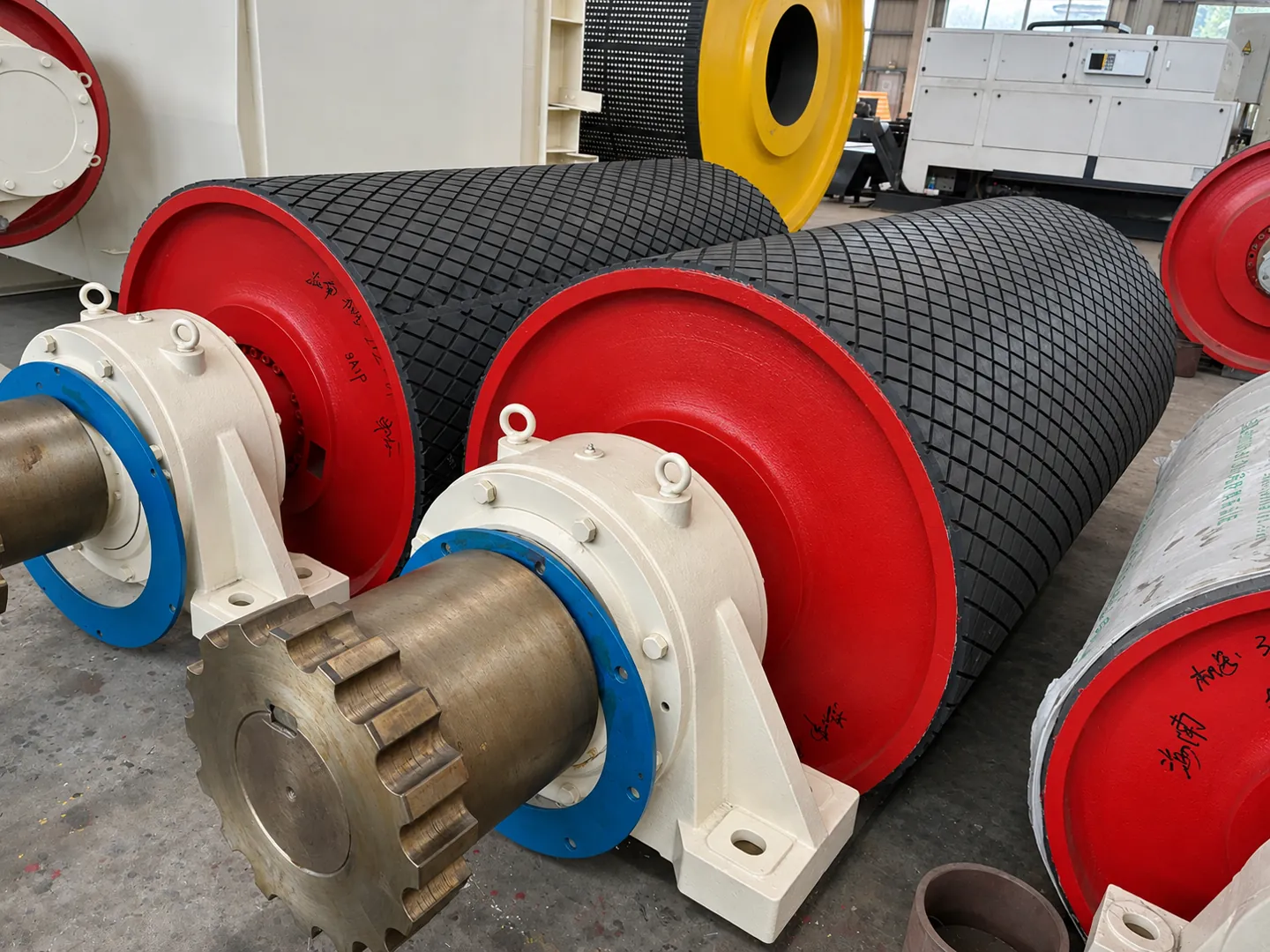
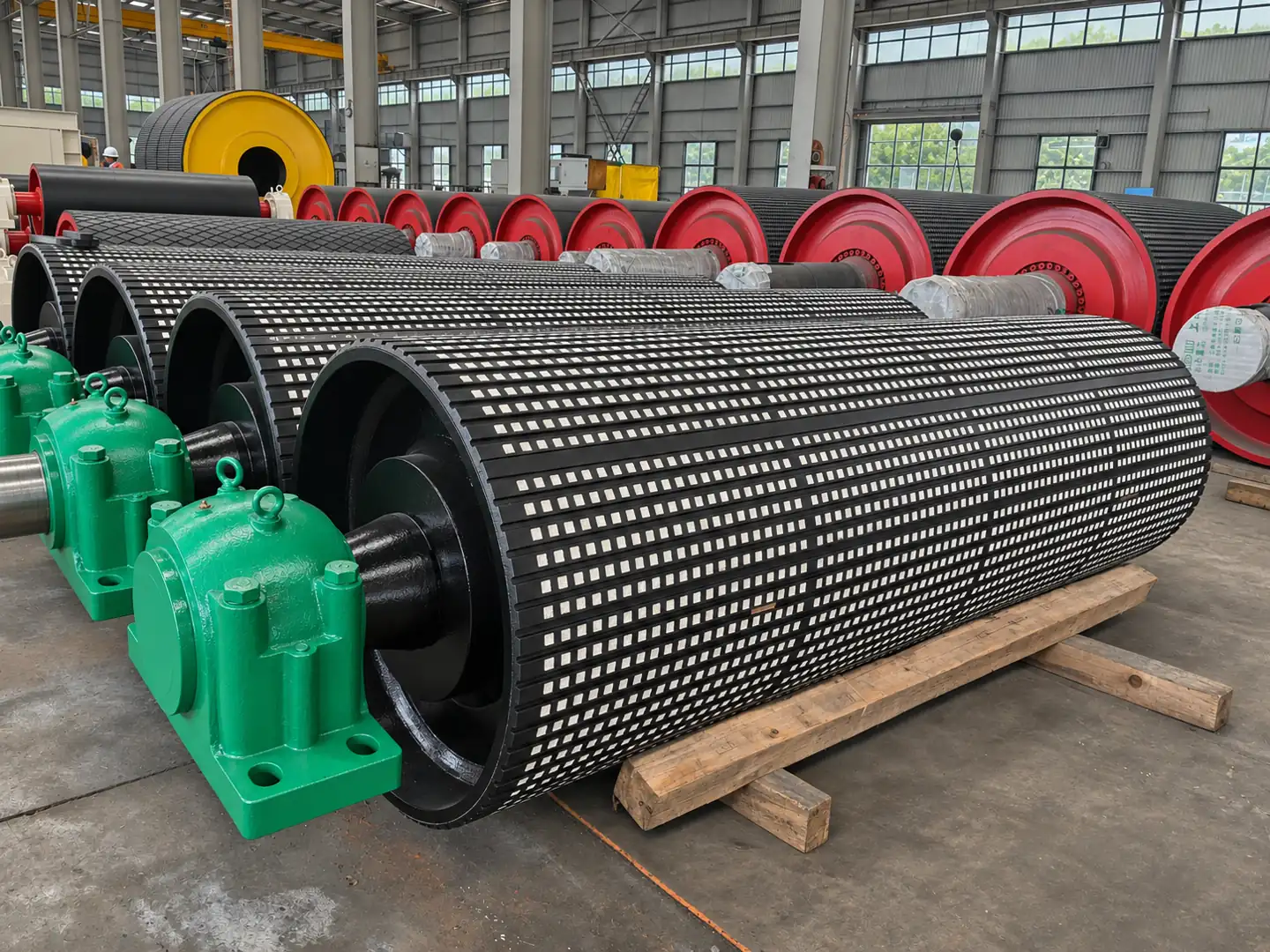
Manufacturing checks include welding inspection and pre-assembly. Pulley inspection may also include weld flaw checks, stress relief where required and balancing. The checks required for a pulley are not necessarily identical to those for a roller frame or conveyor gallery.
An inspection plan should identify the component, the applicable drawing or specification, the stage at which the check occurs and the record to be supplied. This gives fabrication and inspection teams the same reference point.
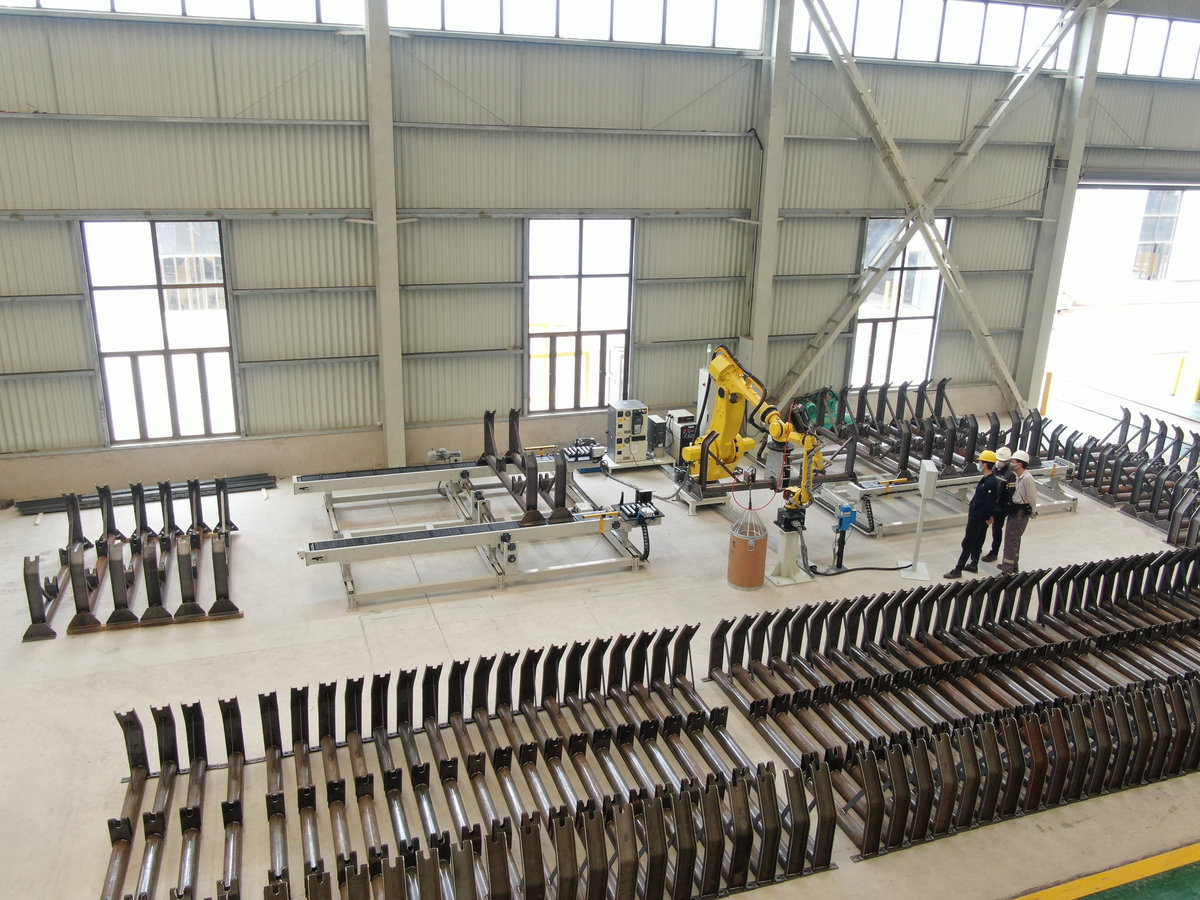
Use pre-assembly to review interfaces
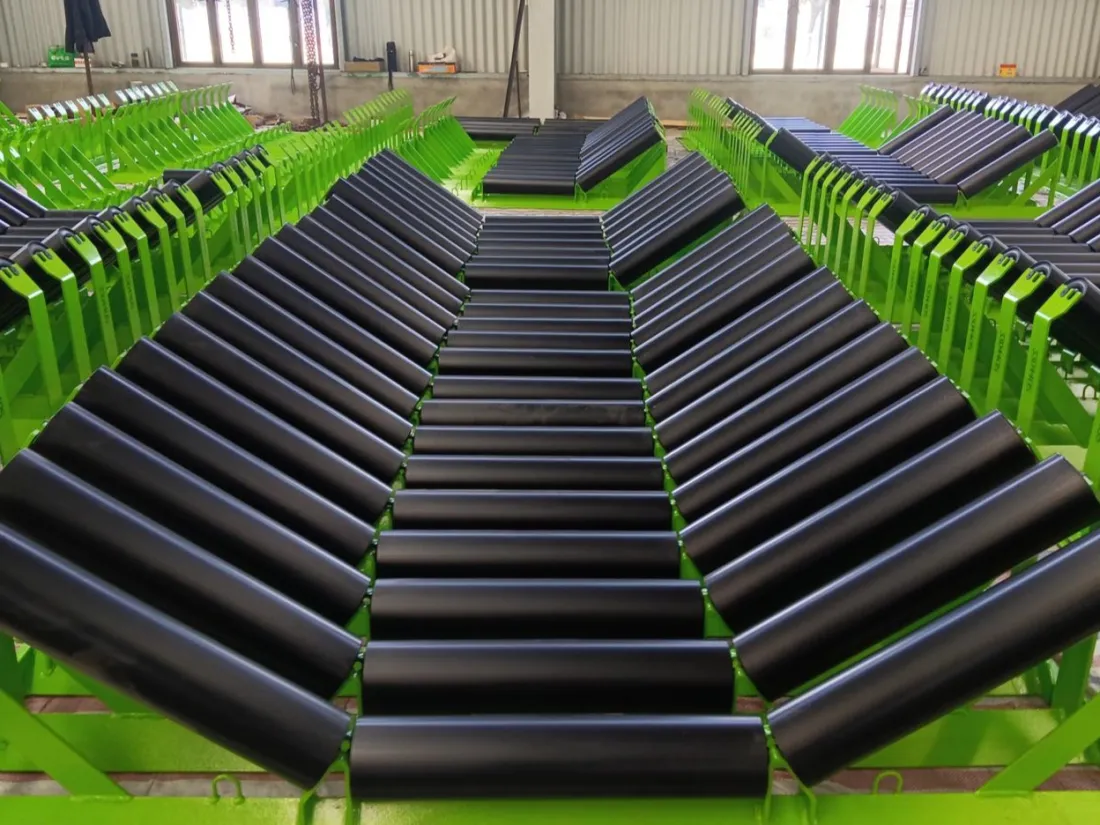
Pre-assembly creates an opportunity to review how manufactured items fit together before shipment. For a conveyor package, the project team should define which assemblies and interfaces require this review and how any findings will be recorded and resolved.
Surface preparation and painting follow their own project requirements. These activities lead into dispatch inspection and protective shipment measures.
Agree the handover documents
- The drawings and specifications that define the supplied equipment.
- Material identification and the inspection records required by the order.
- Any pre-assembly findings and their agreed resolution.
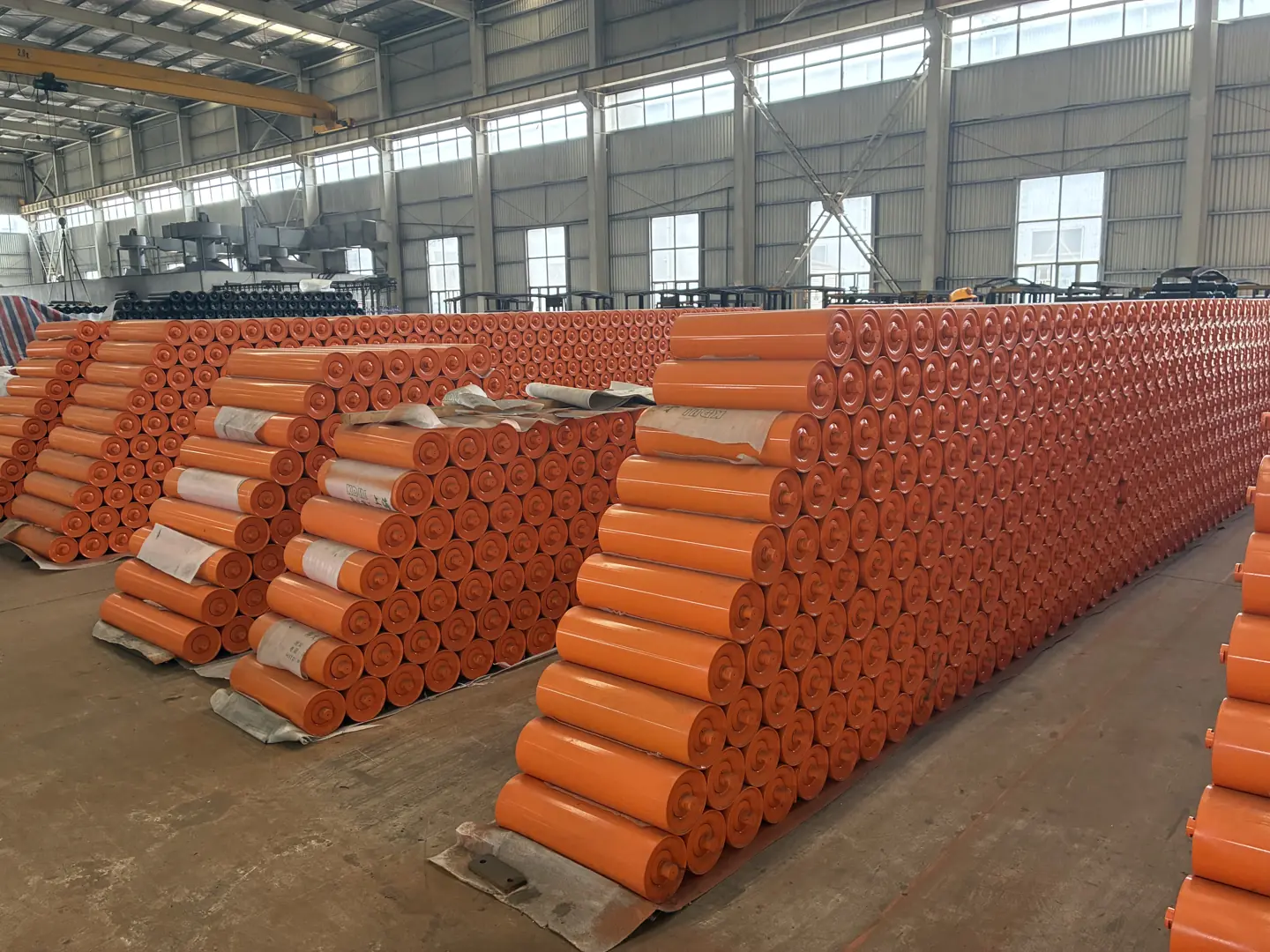
- Packing, shipment identification and the documents needed for site receipt.
A coordinated handover helps the receiving team relate the equipment to its drawings and planned installation. The exact documentation should be agreed for the project, with acceptance criteria stated clearly.
Tags:
KDHI
Engineering and manufacturing insights for bulk material conveying.