
Modular Conveyor Assembly and Shipment
- Company
-
 KDHI
- Technical Guide
Modular conveyor delivery links workshop fabrication with transport and site installation. The useful question is how the chosen modules fit the complete delivery route and the final assembly sequence.
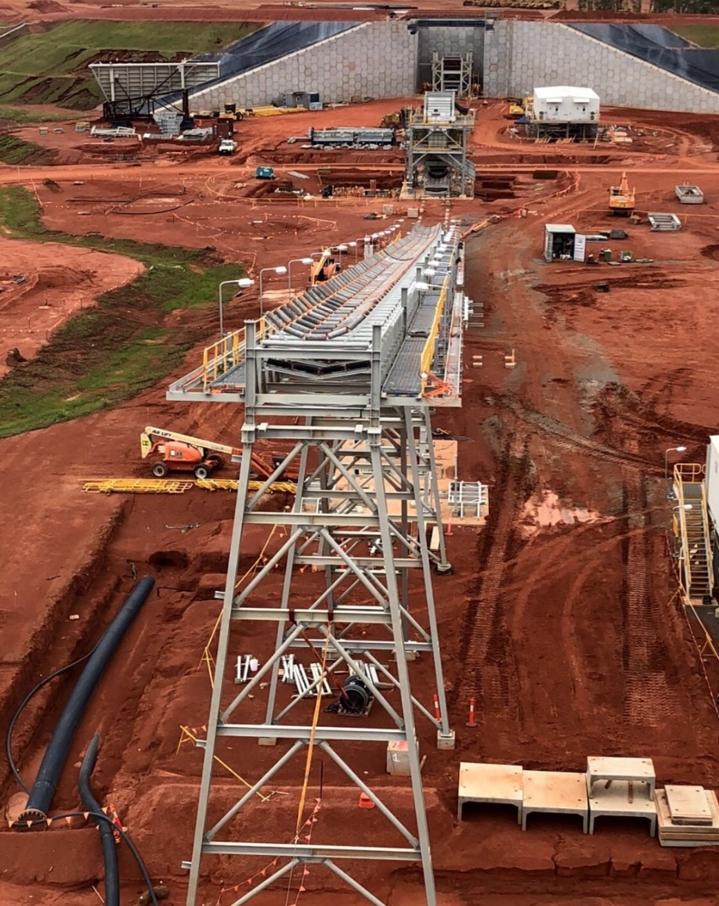
Connect prefabrication with the site plan
KDHI’s existing project material describes factory-prefabricated conveyor galleries and wharf-side integration for the Amrun example. It also describes modular shipment in an Oman pellet-plant upgrade. These projects show different ways to coordinate manufacturing, transport and installation.
They should be read as individual project examples. A module arrangement that suits one port, site or transport route may be unsuitable for another, even when the conveyor duties appear similar.
Review transport constraints before fixing module sizes
The project team needs to consider module dimensions, lifting requirements, access and port interfaces together. Transport planning is therefore an input to fabrication planning rather than an activity left until the equipment is ready for dispatch.
The delivery plan should make clear where assemblies are completed, where they are handled and where their final connections will be made. Required lifting and handling arrangements must be defined by the responsible project specialists for the actual equipment and route.
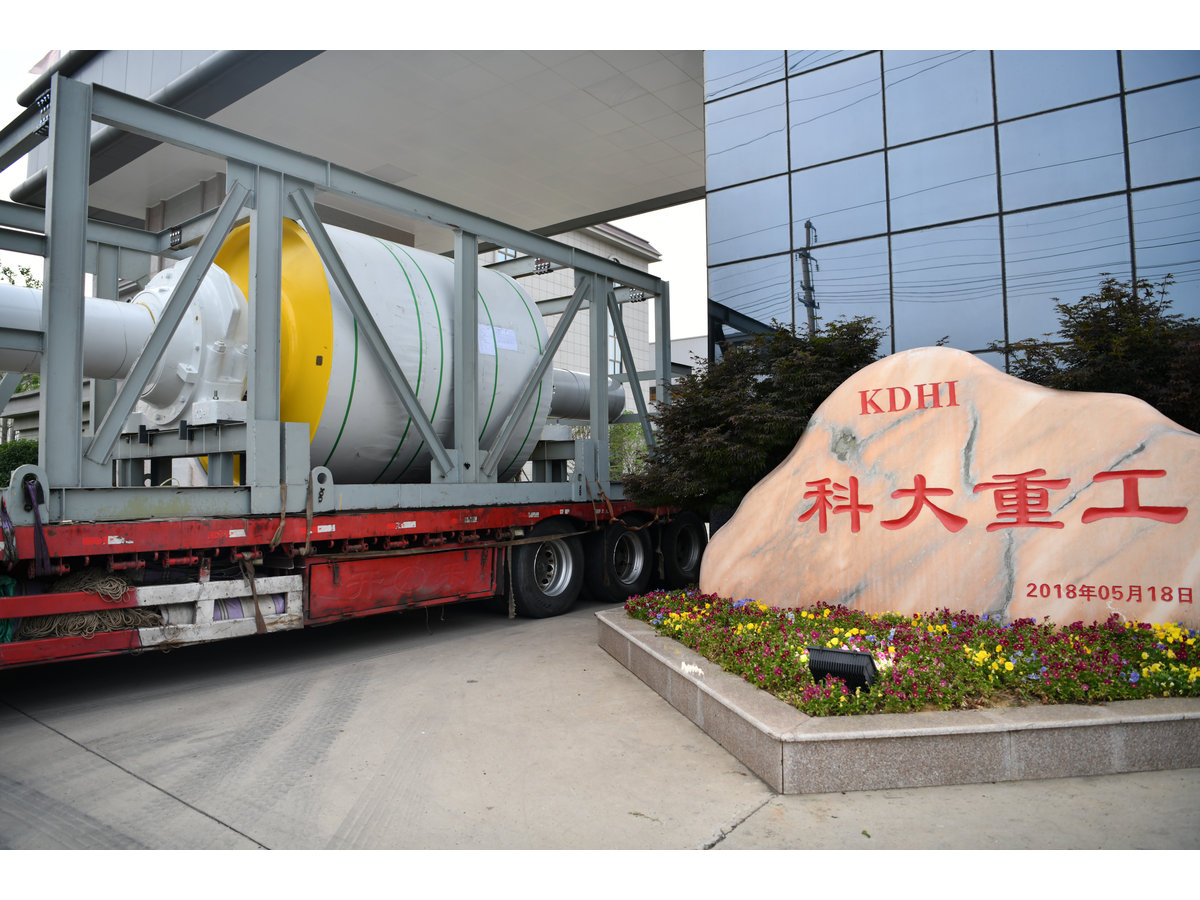
Keep interfaces and identification consistent
Module drawings, assembly marks and shipment identification need to describe the same equipment. A consistent system helps the receiving team connect a delivered item with its intended installation position and with the relevant inspection and assembly records.
Factory pre-assembly and dispatch inspection can be coordinated with this plan. The scope should reflect the assemblies actually supplied and the checks agreed for the order.
Prepare for the receiving end
- Confirm the delivery route, receiving space and access constraints.
- Define which interfaces are completed in the workshop and which remain for site assembly.
- Coordinate identification, packing lists and the installation sequence.
- Agree the drawings and records that accompany each shipment.
Successful modular delivery depends on these interfaces as much as on the fabrication of an individual module. KDHI’s project references are a starting point for discussion, while the final plan must be developed for the project conditions.
Tags:
KDHI
Engineering and manufacturing insights for bulk material conveying.