Long-Distance Curved Belt Conveyors
KDHI designs and manufactures long-distance curved belt conveyors for bulk materials. Horizontal curves and vertical transitions let a continuous conveyor follow complex terrain and work within a restricted corridor.
Where the route allows, one curved conveyor can replace several straight sections and reduce intermediate transfer points. KDHI selects the belt, idler arrangement, drive and controls for the actual route and duty.
- 01 Horizontal curves and vertical transitions
- 02 Continuous routes with fewer transfer points where feasible
- 03 Belt tracking, tension and drive design matched to the route
Product Overview
-
Long-Distance Curved Belt Conveyors
KDHI designs and manufactures long-distance curved belt conveyors for mines, processing plants and power facilities. Horizontal curves and concave or convex vertical transitions allow a continuous route to follow terrain, pass around obstacles and work within a restricted corridor.
Technical Details
Route Design and Curve Geometry
Horizontal curves can route the belt around obstacles or follow an existing corridor. Concave and convex vertical curves accommodate changes in elevation. The curve radius is determined from belt width, speed, tension, loading and the route profile. Idler arrangement and spacing are adjusted through curved sections to support belt tracking.
Belt, Drive and Controls
Long routes may use a steel-cord belt, an engineered take-up and distributed or multi-motor drives, depending on the required capacity and tension. The control system can coordinate equipment along the line and interlock the conveyor with feeding and discharge equipment.
Reference Design Figures
KDHI product literature cites a single-flight reference length of 15.58 km and design figures of up to 7,500 t/h, 1,800 mm belt width and 4,500 N/mm belt strength. These are reference figures for project selection. The applicable combination depends on the route and operating duty.
Project Photography
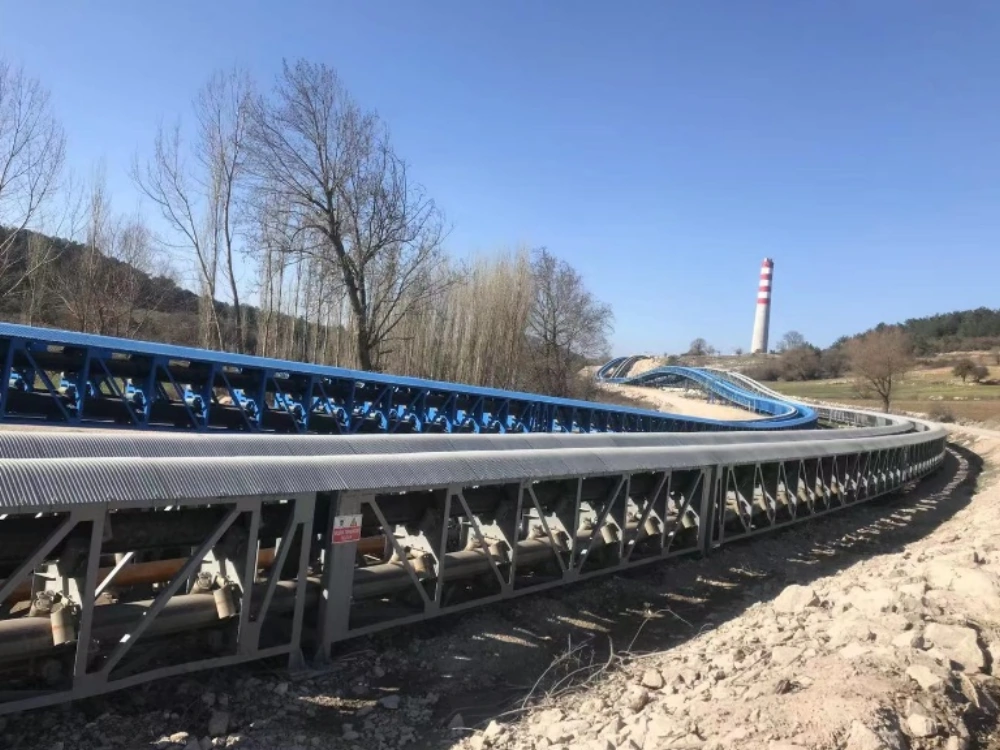
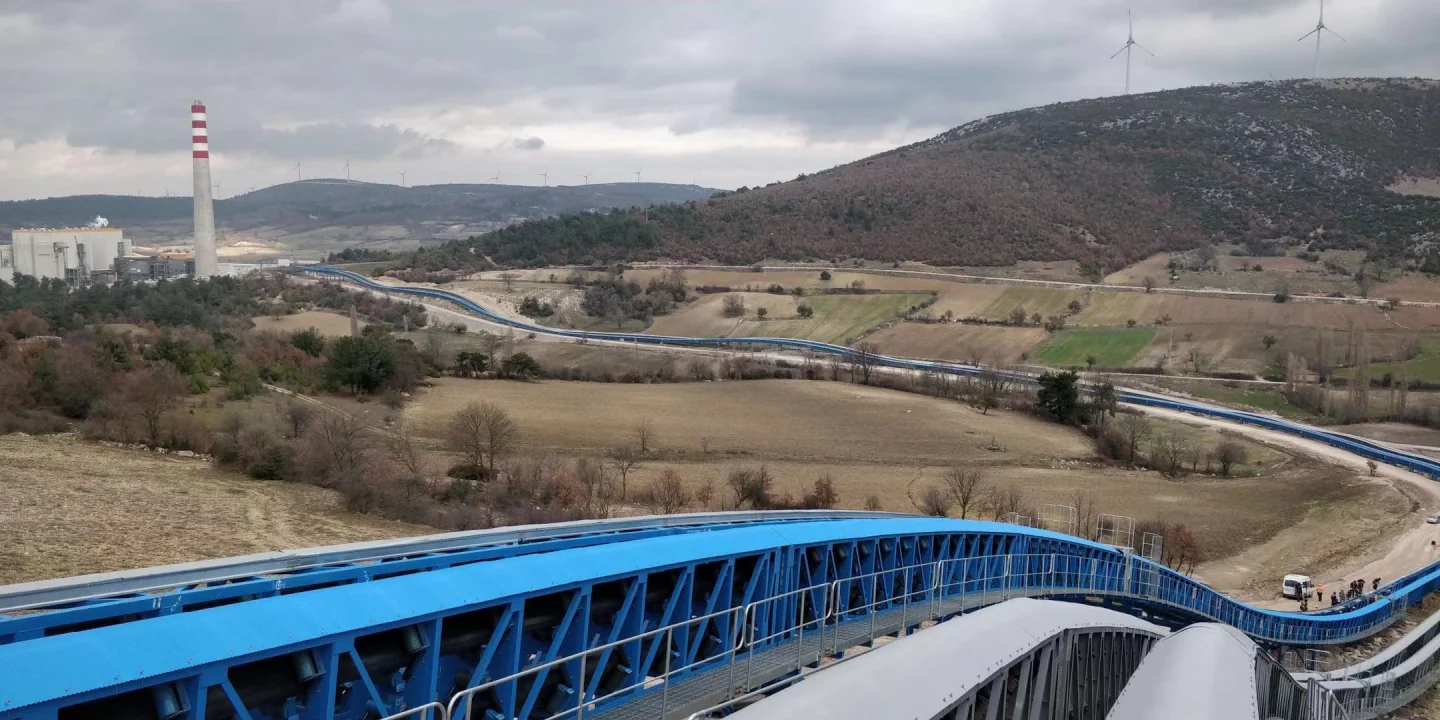
The gallery shows curved routing at the SOMA power plant pipe conveyor project in Türkiye. It illustrates how a conveyor route can follow complex terrain.
Information for Selection
Provide the route survey or plan and profile, required throughput, material properties, loading and discharge elevations, available corridor width and operating conditions.
Related Conveyor Products
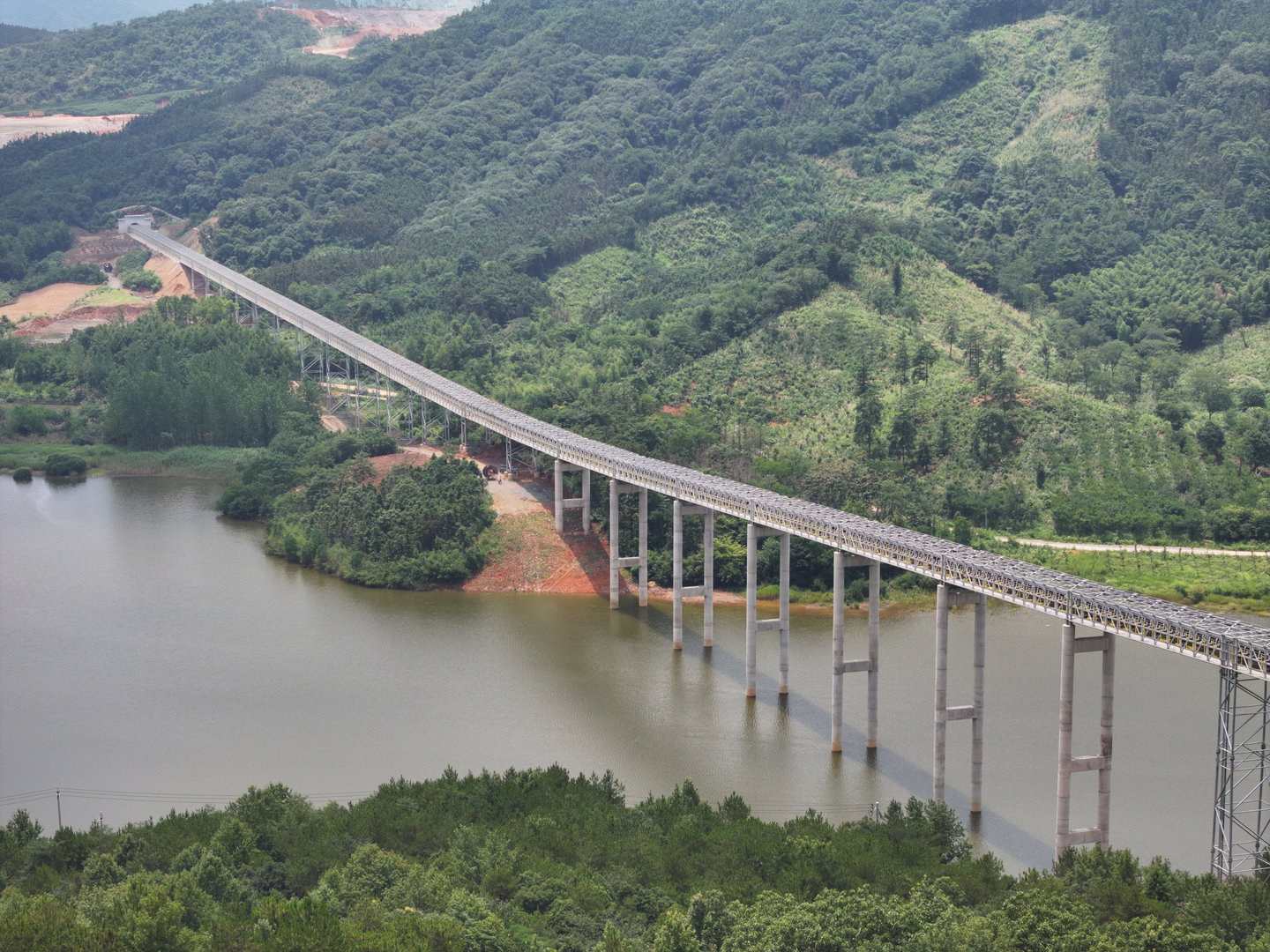
Long-Distance Belt Conveyors
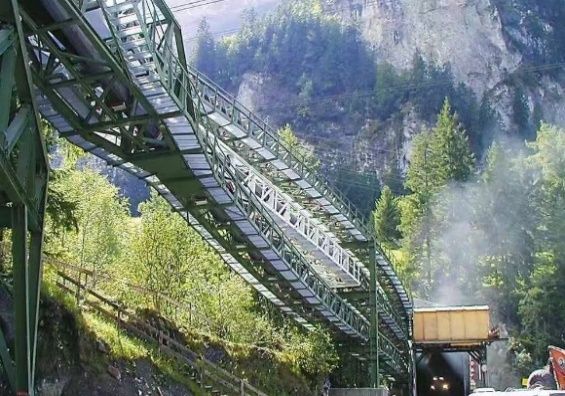
Tubular Conveyor / Pipe Conveyor
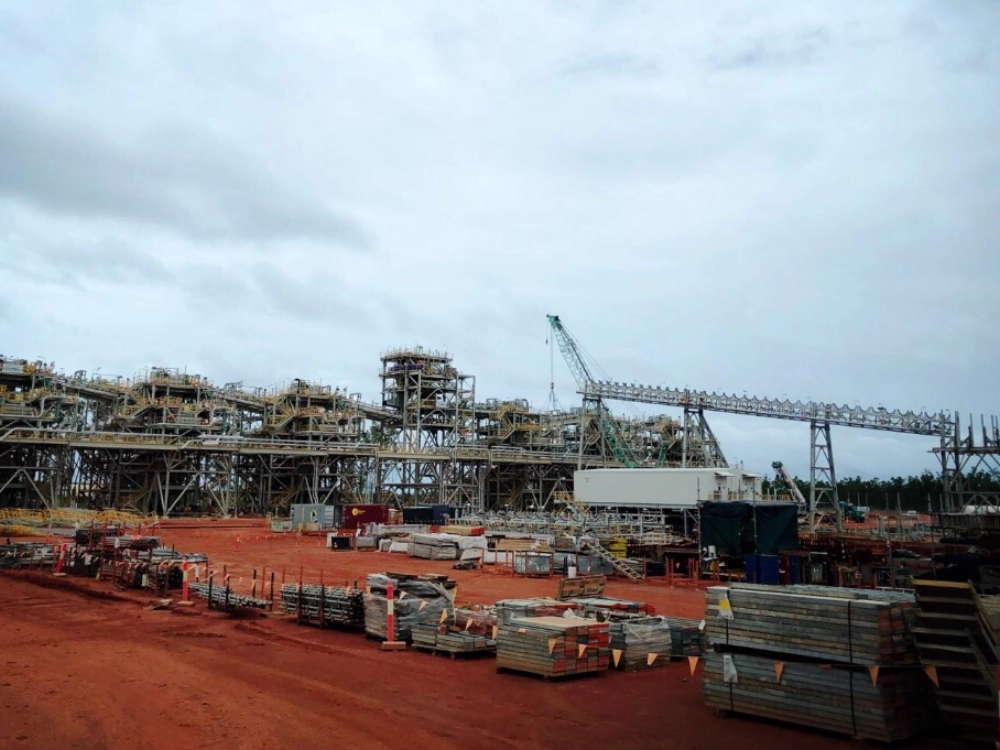
Steep-Angle Belt Conveyors
Conveyor Knowledge
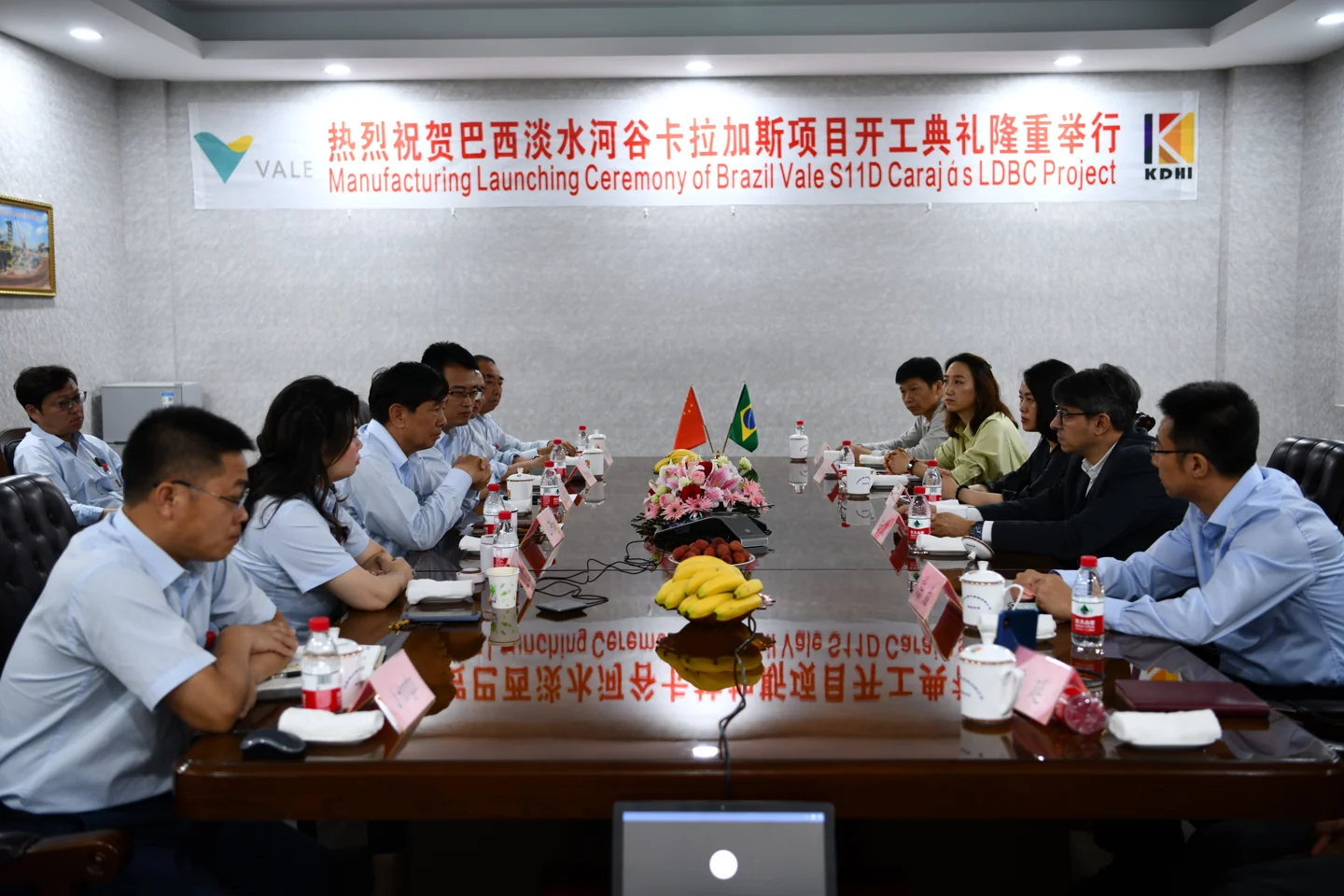
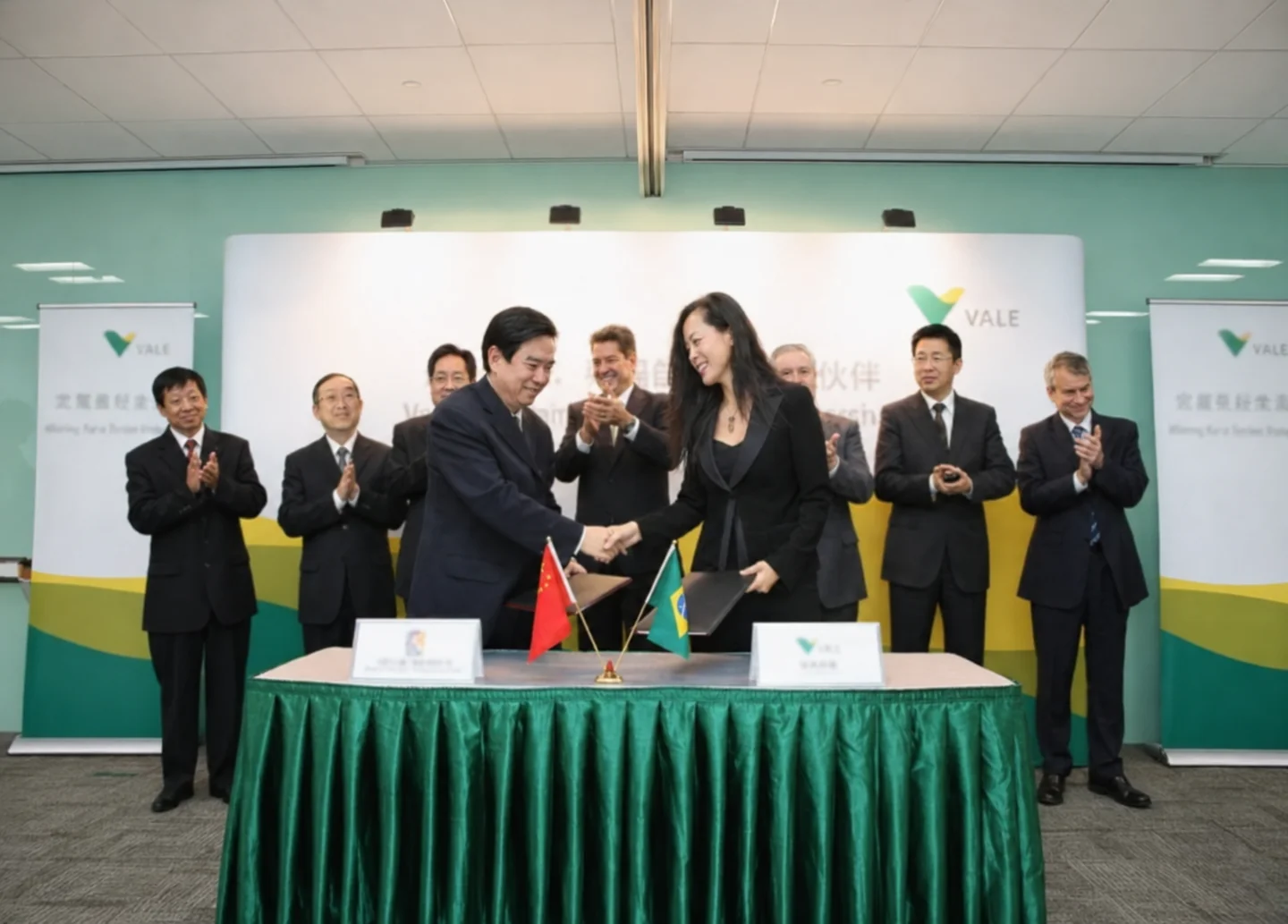
Manufacturing Launching Ceremony of Brazil Vale S11D Carajos LDBC Project
Nov 10, 2026
KDHI Company News and Updates
Nov 10, 2026

Quality Checks in Conveyor Manufacturing
Apr 22, 2026
Engineering & Support